Skip to content
Giordano Cabral

Trajectory · 1994–2002 → 2025–

The trajectory, the path

Each stop with what it did, not just when it began.

Instituto FAROL de Fluência Agêntica

2025–

founder; research group in 2025, Institute in 2026

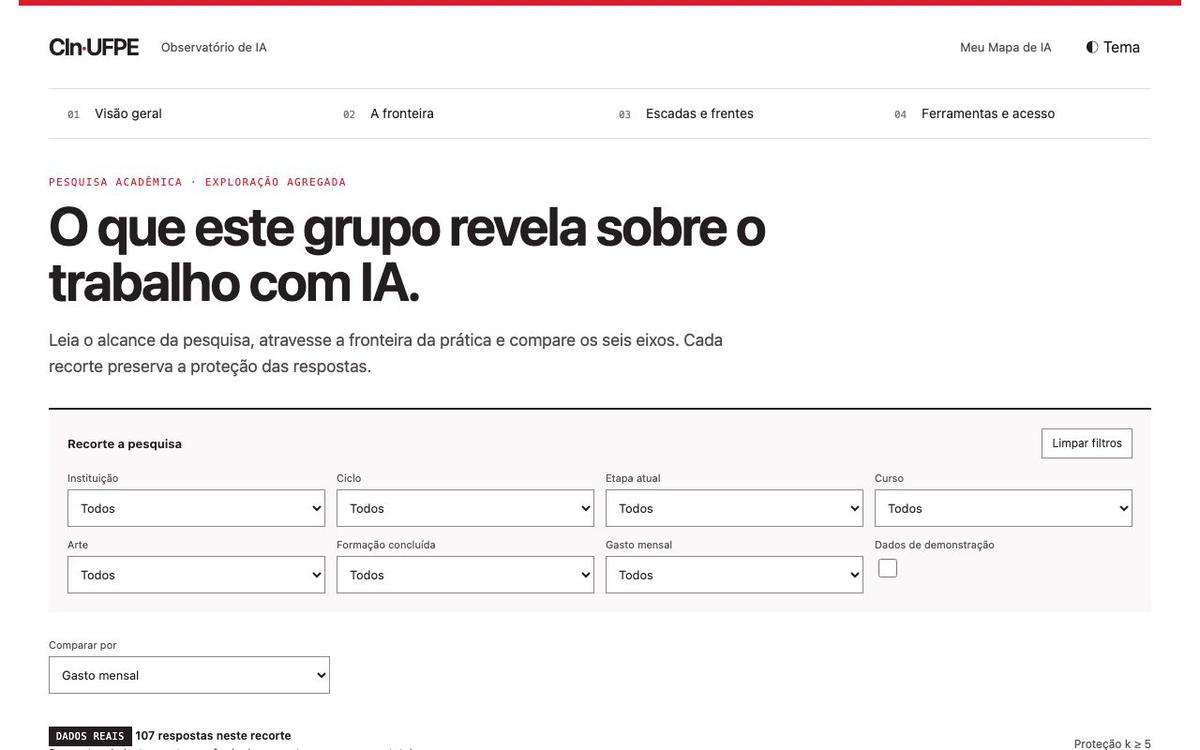
2,943student responses to Meu Mapa de IA, aggregated in the AI Adoption Observatory (09/14/2026)

Striped lighthouse on a low dune, a garden of shrubs; a red pennant next to the lantern.
  • In 2026 the group becomes the Instituto FAROL de Fluência Agêntica (FAROL Institute of Agentic Fluency): it measures how organizations and people work with agentic artificial intelligence, using a scale of six axes and five levels.
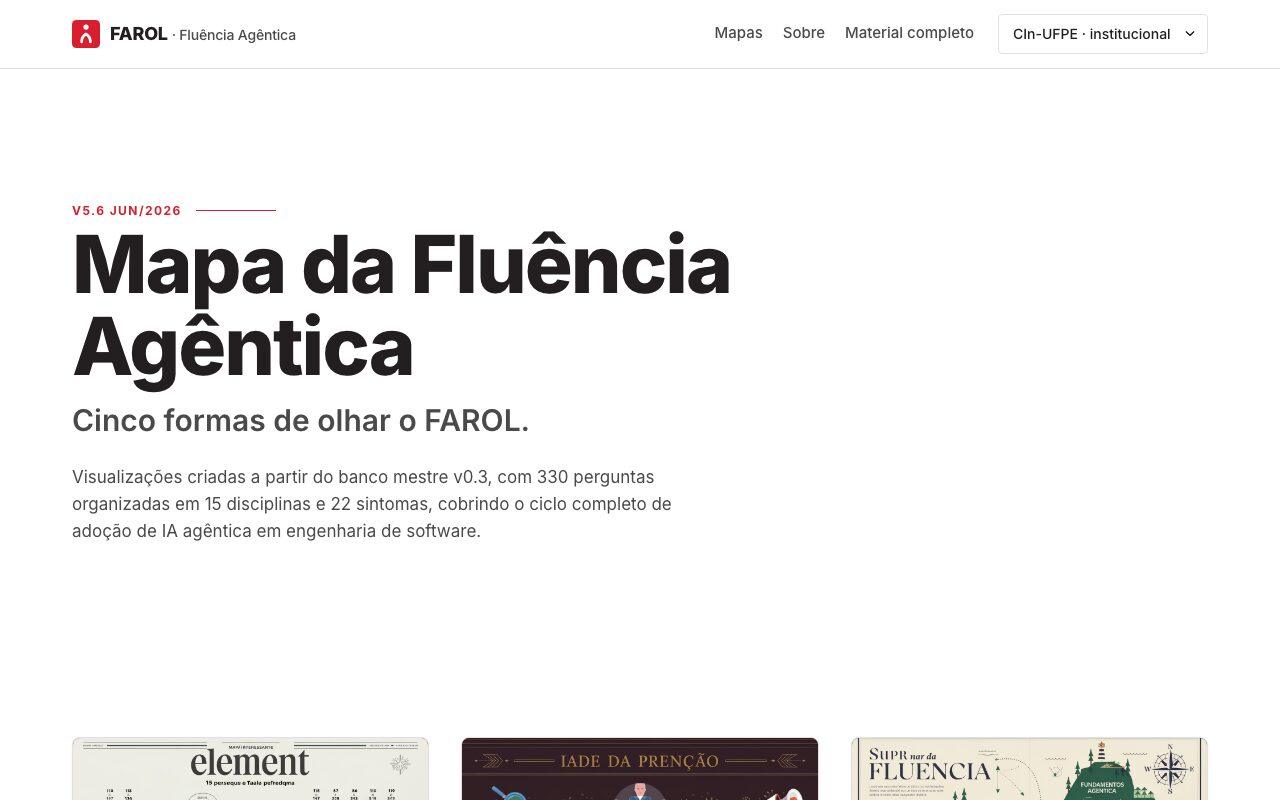
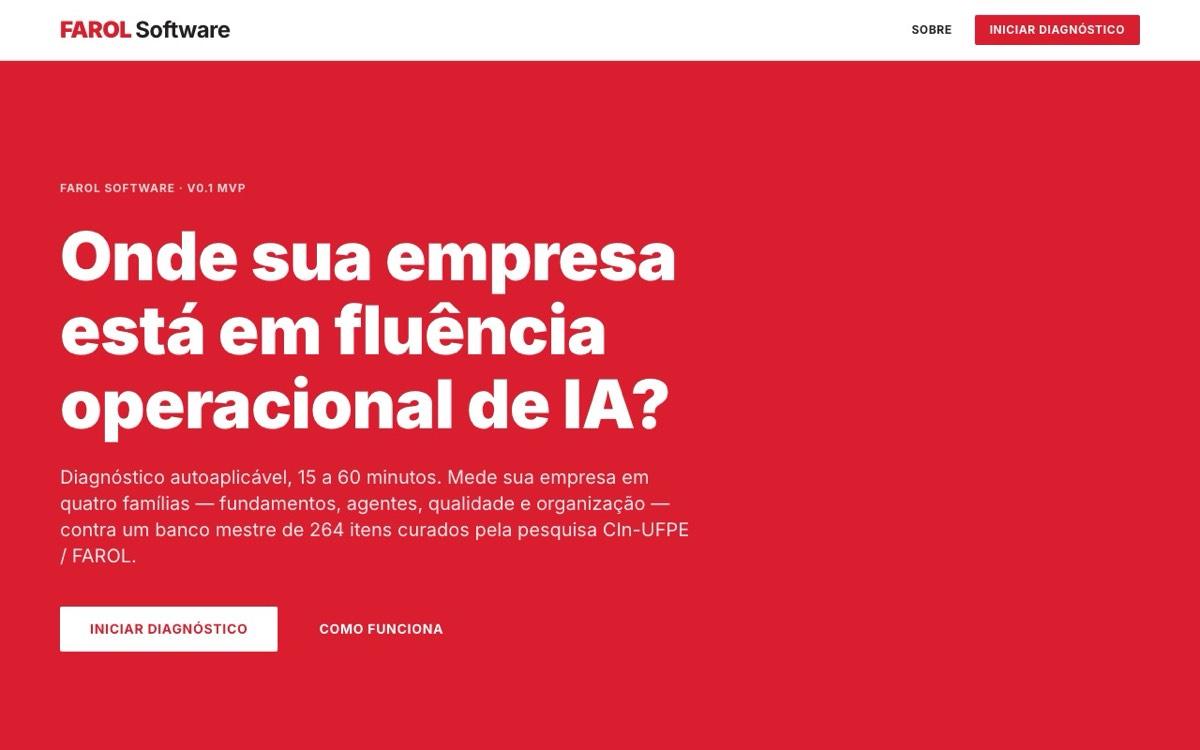
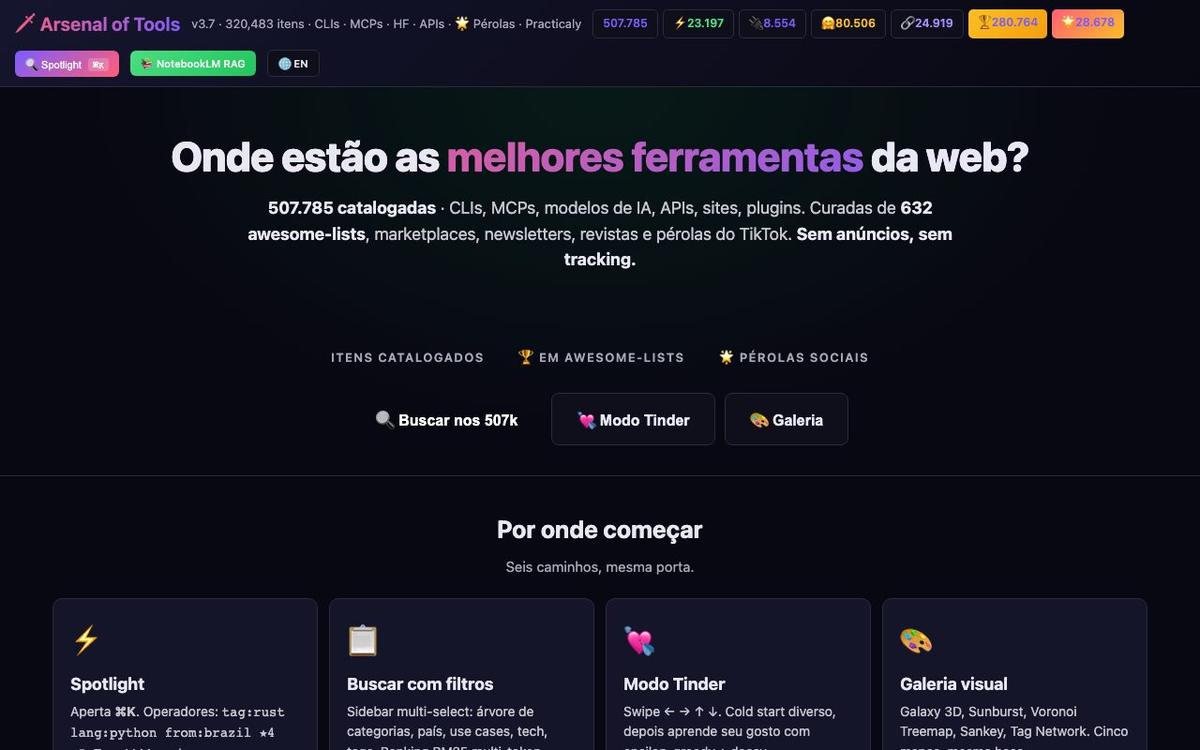
  • Open instruments derive from the scale: the AI Index for companies, Meu Mapa de IA, the AI Adoption Observatory, with 2,943 responses as of 09/14/2026, the Agentic Fluency Map (264 items), FAROL Software, Arsenal of Tools, and the Acervo de Teorias Acionáveis.
  • Consulting for companies and institutions on agentic artificial intelligence strategy and adoption, in sectors such as legal, health, circular economy, nonprofit, public sector, engineering, software, sports, education, finance, and startups.
  • FAROL was born in 2025 as a research group, created with Filipe Calegário at CIn/UFPE; the ruler and the first instruments come out of it.
  • With students, the Arena das IAs, a front for public experiments: for example, in the 2026 World Cup pool, 124 AI models predicted all 104 matches in the same ranking as people.
Stanford

2023–2024

Visiting Scholar at the Graduate School of Education; lead researcher of the Preparing Brazil's Youth project, Stanford Impact Labs

130+public schools in Pernambuco in the Stanford Impact Labs randomized experiment

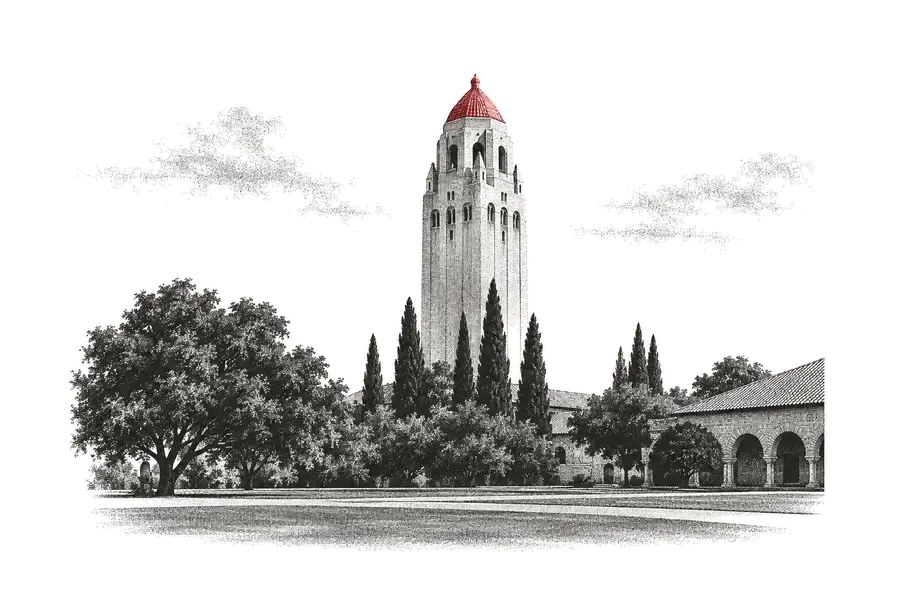
Stanford's Hoover Tower among cypress trees, seen from the lawn; the pyramidal roof at the top, in red.
  • Visiting Scholar at the Lemann Center, a center at the Stanford Graduate School of Education dedicated to public education policies suited to the Brazilian reality, from September 2023 to August 2024; topic: the Porto Digital Technology Residency and innovation in education.
  • Lead researcher of the Preparing Brazil's Youth project (Stanford Impact Labs, 2025), with Eric Bettinger, which evaluates, through a randomized experiment, vocational education in more than 130 public schools in Pernambuco.
  • The project is linked to Florescendo Talentos, from TrilhaTec (Government of Pernambuco, CESAR, SENAI, and SENAC): 124 schools at the start, 157 in 2026.
  • From this period, three texts with Jean-Pierre Briot on artificial intelligence in Brazil, among them an interview with Fabio Cozman, in the dossier of the French magazine ActuIA (no. 16, 2024).
  • Talk "Desafios para adoção de tecnologia baseada em IA para criação de música" (Challenges to the adoption of AI-based technology for music creation) in the seminar series Inteligência Artificial, Criatividade e Artes of CBAE/UFRJ, Cátedra Heitor Villa-Lobos, on 11/07/2023.

Porto Digital

2019–

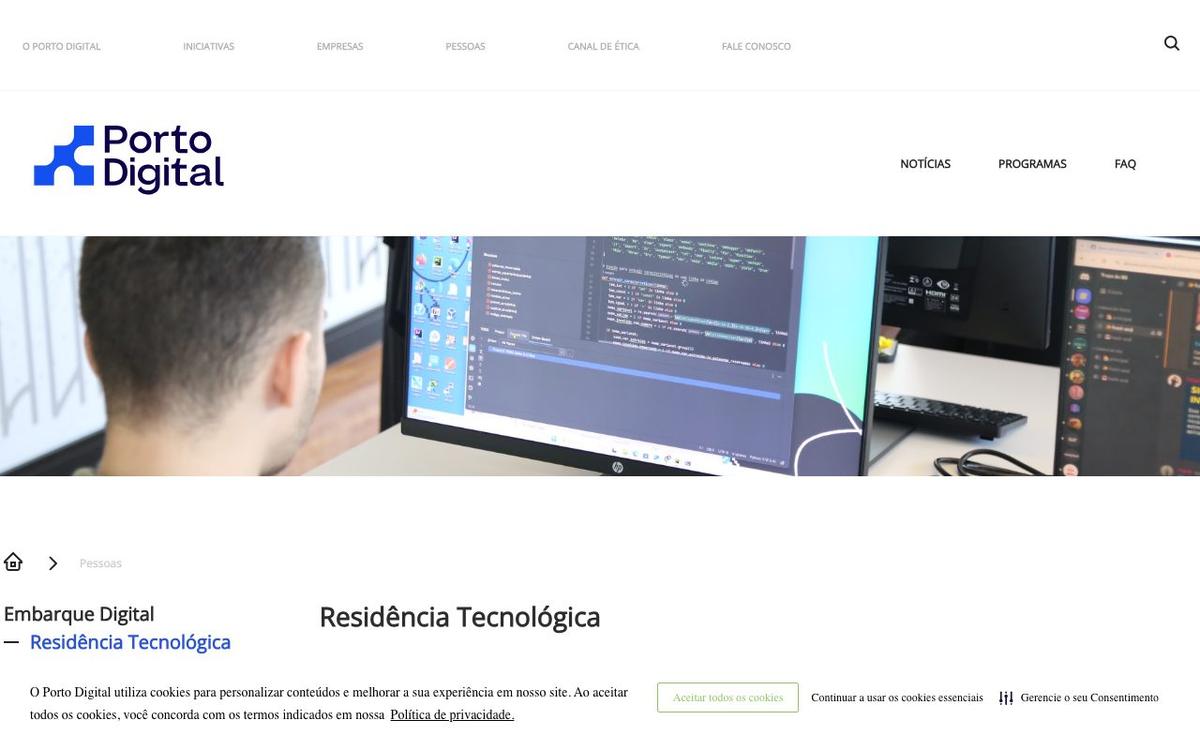
pedagogical coordinator of the Technology Residency (Residência Tecnológica); internationalization consultant of the Management Core (Núcleo de Gestão)

3,043students enrolled in Embarque Digital as of September 2026

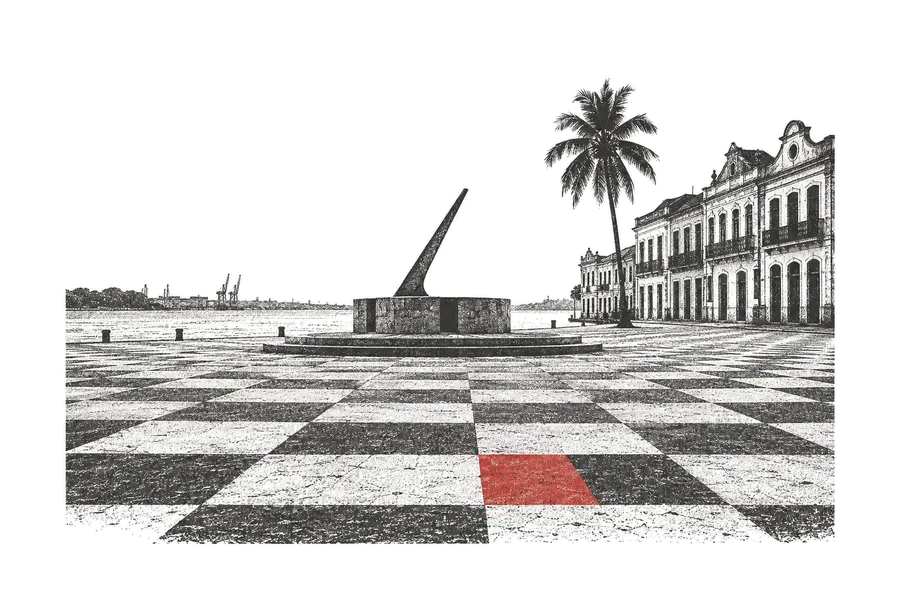
Marco Zero of Bairro do Recife, a chessboard-pattern floor leading to the sundial obelisk, warehouses and a coconut palm in the background; one tile of the board, red.
  • In 2019, redesigned the Technology Residency: cycles closed by a demo day, student squads working on challenges proposed by companies, and mentors from industry; in the first cohort, employability came close to 100%.
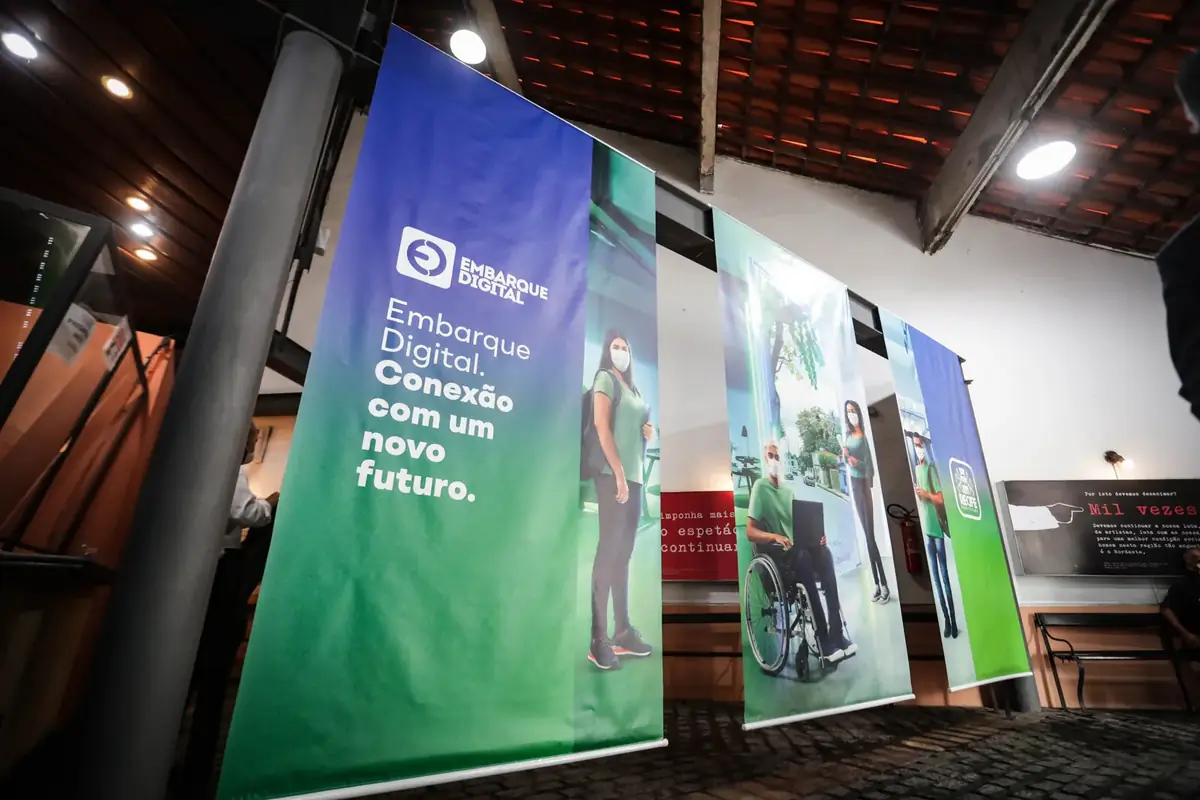
  • On 09/14/2021 the model became public policy of the Recife City Hall with Embarque Digital, created by Decree no. 34,913: scholarships for public school graduates, 3,043 enrollees and 1,130 graduates as of September 2026.
  • In the second half of 2025, the Residência brought together more than 40 companies and more than 70 mentorships for about 2,300 students in Recife, for a total of 3,700 including the Aracaju and Brasília cohorts.
  • Internationalization consultant for the Porto Digital Management Office since 2019, with Cais do Porto, the park's internationalization program.
  • Jury member and organizer of technology, creativity, and innovation events, such as SBCM and the National Science and Technology Week, and curator of the technology track of the 4th edition of Rec'n'Play, in 2022.

ARIES

2018–

founding associate and board member

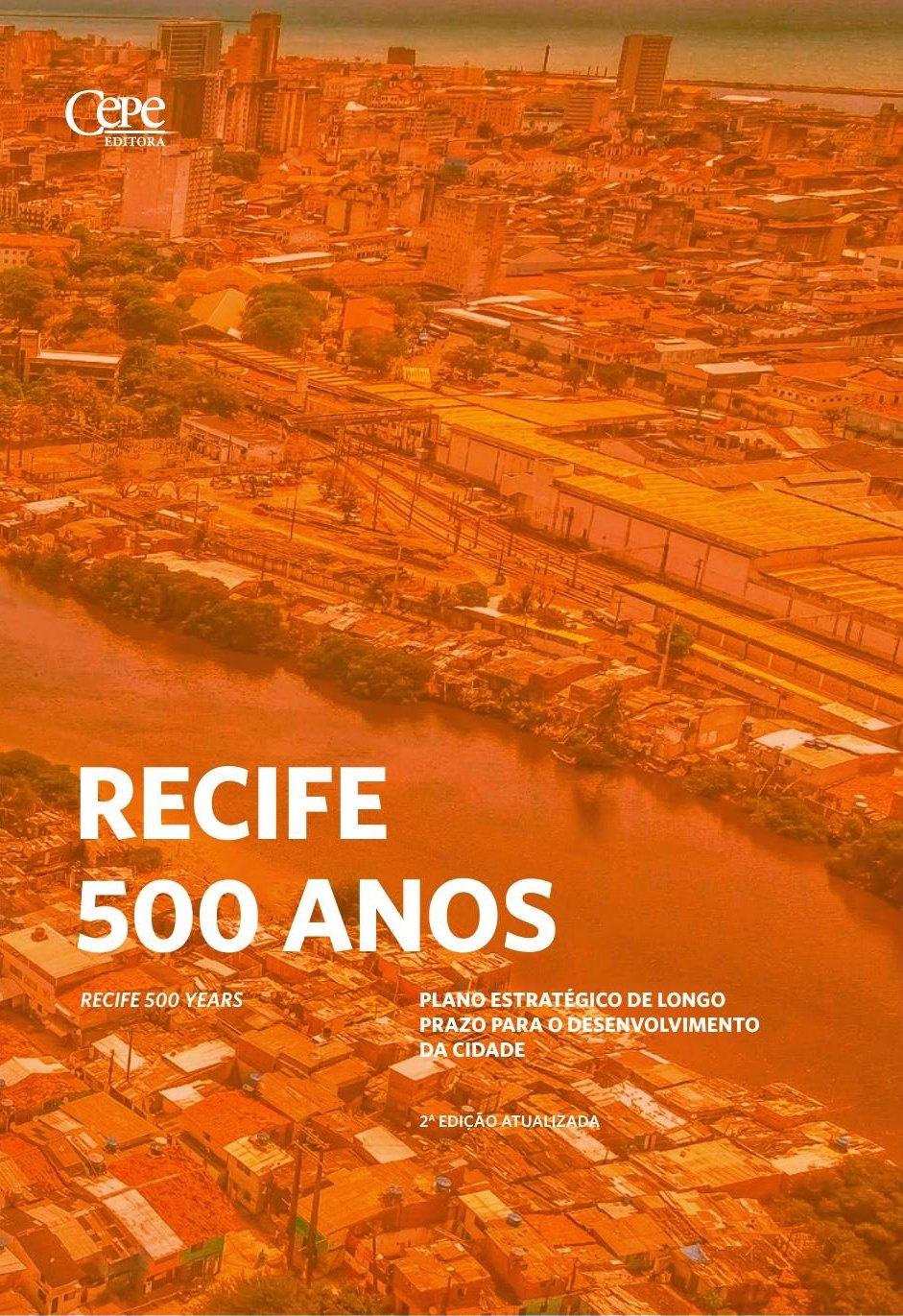
500years: the Recife 500 Years Plan, through 2037

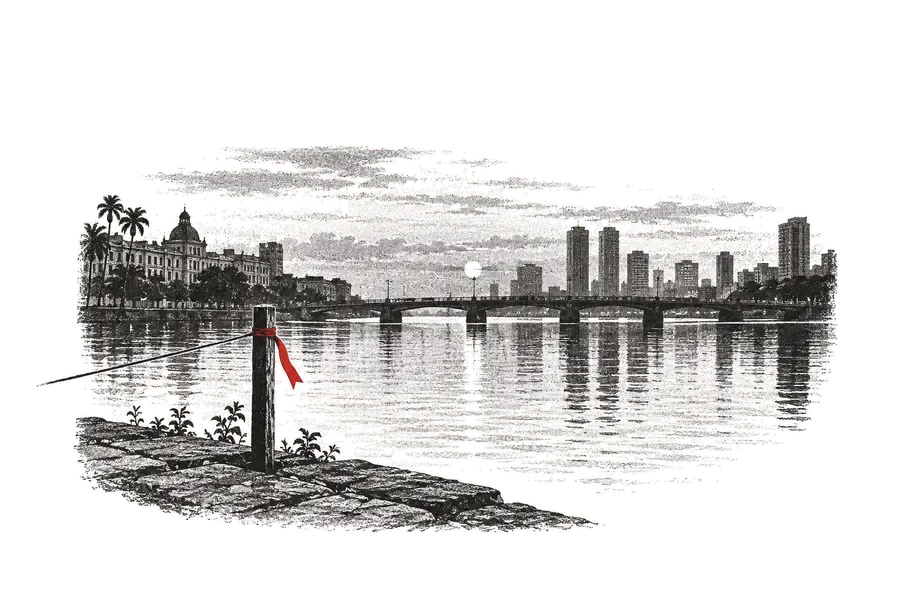
Recife seen from the middle of the river, the bridge and the horizon in the background; a surveyor's stake on the quay, with a red ribbon.
  • One of the five founding associates of the Agência Recife para Inovação e Estratégia, an association for Recife's long-term planning; a member of its Board of Directors since 2021.
  • ARIES coordinated the Plano Recife 500 Anos, the city's strategic plan through 2037 (2nd edition, Cepe, 2022), and the Plano do Centro do Recife (2025), which consulted more than 12,000 people.
  • In CITinova (GEF, UNEP and MCTI, 2018–2023), it carried out the Filtering Gardens of Parque do Caiara, the first in Pernambuco, and the Caiara and Vila Vintém docks in Parque Capibaribe.
  • Using the Urban95 methodology of the Bernard van Leer Foundation, Primeiro a Infância reached the city's six regions, and the Praças da Infância became municipal policy.
  • Since 2025 it has been carrying out the nature-based solutions of CAJULab, in Cajueiro, and is the delegated manager in Recife of the Recife–Nantes cooperation (FICOL 2), worth €2.21 million and financed by the AFD.
  • Cabral coordinates, on the Brazilian side, the Recife–Nantes cooperation, with SAMOA, ADN Ouest and Nantes Métropole, and the economic development group of FICOL 2 (AFD, 2025–2028).

ProfLab

2016–2019

trainer, Creative Teacher Training (Formações Criativas para Professores)

  • A program of creative training for teachers, in Recife: Game Design Thinking, Gamification in Education and Games and Education, courses of two to three days.
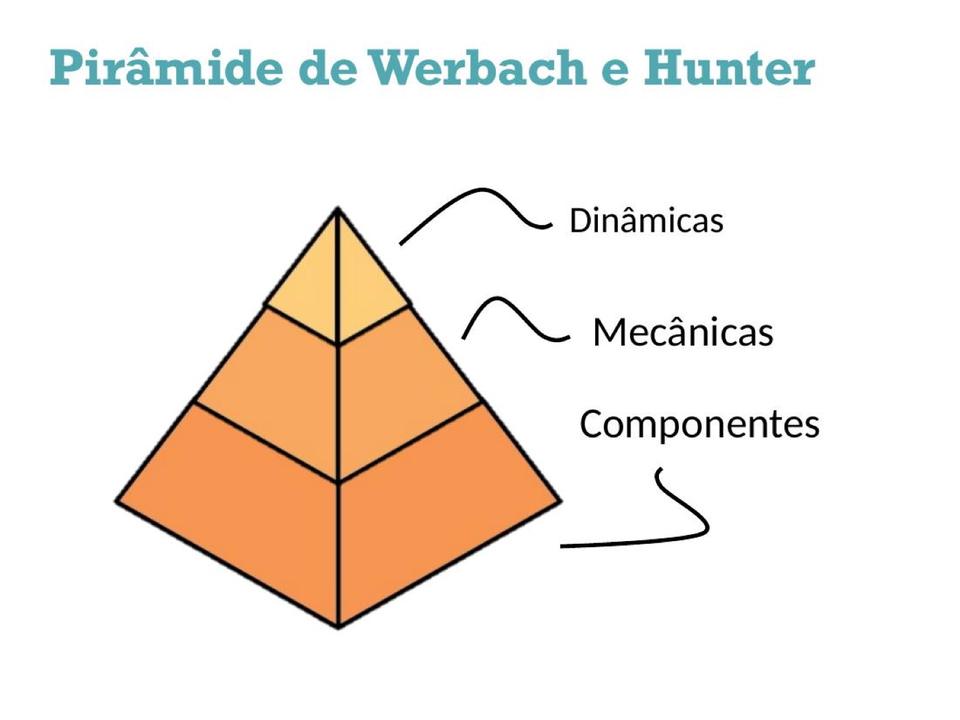
  • In the workshop, teams of up to six teachers create a game that the whole class plays; the conceptual part (game elements, motivation, the Werbach and Hunter pyramid) comes after the experience.
  • Classes in Recife and at the Armazém da Criatividade, in Caruaru (2016), at SENAC's pedagogical week (February 2018) and at Nauta, in Brasília (11/03/2018).
  • Gamification was also applied in education projects, in the financial market and in the public sector.

CESAR

2015–2026

chair (2020–2026) and vice-chair (2015–2020) of the Board of Directors

11years on the Board of Directors

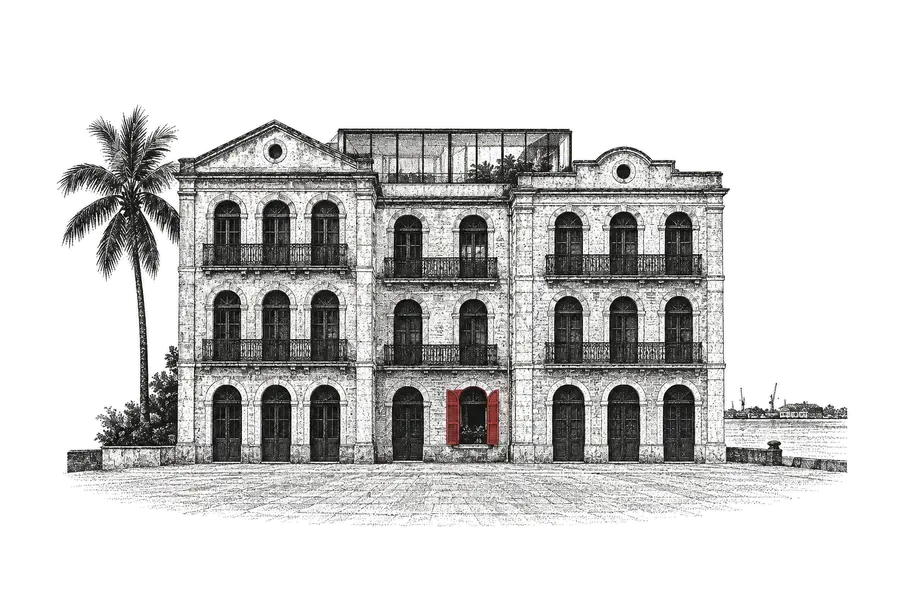
Two former warehouses on the Cais do Apolo, Bairro do Recife, joined by a discreet glass roof over the rooftop; one open shutter, red.

Beauty Gets Brainy: How Brazilian Innovation is Disrupting the Global Cosmetics Industry

  • Eleven years on the Board of Directors of the private innovation institute that anchors Porto Digital: chair from 2020 to 2026 and vice chair from 2015 to 2020.
  • As president, the expansion of CESAR School and the operation in Portugal, CESAR Europa, announced in April 2023.
  • In 2024 CESAR launched Florescendo Talentos with the Government of Pernambuco, SENAI, and SENAC, expected to reach more than 26,000 students in around 170 state schools.
  • As chair of the Board, he presented at CES 2025, in Las Vegas, the Smart Lipstick, a prototype developed by CESAR with a cosmetics company, which received the People's Choice award at the SXSW Innovation Awards 2025.
  • The previous year, CESAR was a finalist for the same award, in the Artificial Intelligence category, with a simultaneous translator from Libras to text and audio in Portuguese.
  • The Board received the Women on Board certificate in 2021; in 2025 CESAR published its first Social and Environmental Impact Report.

CIn/UFPE

2014–

assistant professor, exclusive full-time dedication

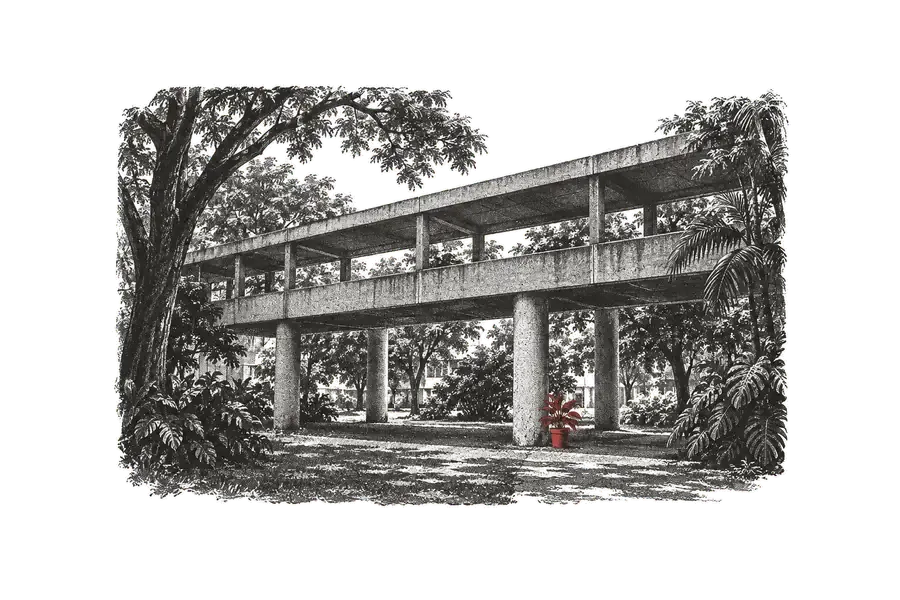
The campus's elevated walkway, a concrete structure among trees; a red plant pot at the foot of a pillar.
  • Professor at the Centro de Informática since 2014, teaching undergraduate and graduate courses in multimedia, computational creativity, games, computer music, information systems project design, technology trends in media and interaction, and educational technologies.
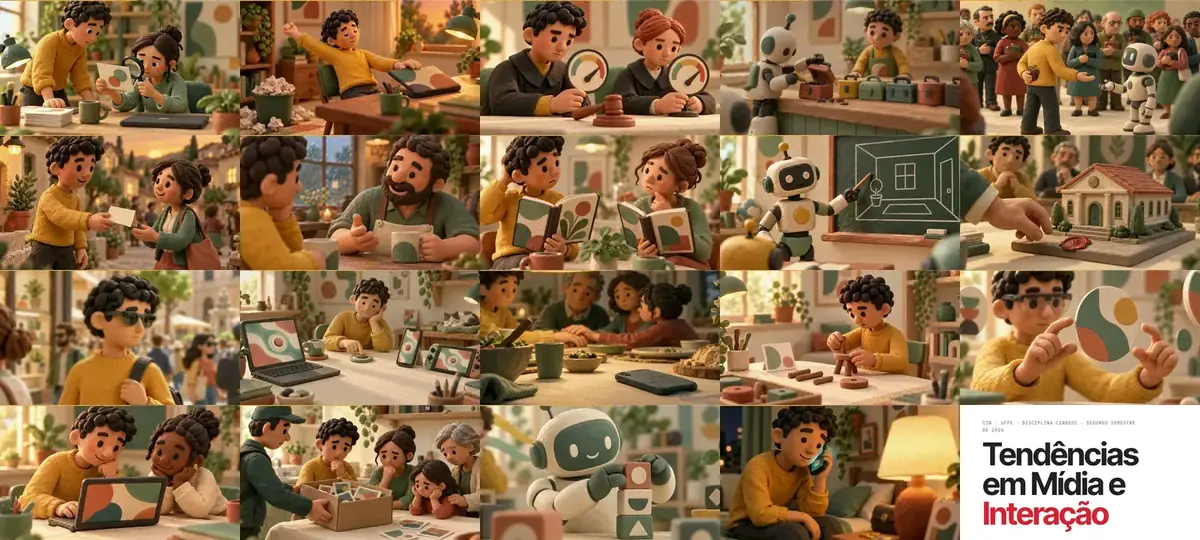
  • In Tendências em Mídia e Interação, in 2026.2, the class explored 19 future topics; each topic received a map, a page and a video on the FAROL YouTube channel.
  • From 2020 to 2023 he taught Criatividade Computacional, a pioneering course in the country, with projects in generative AI.
  • In graduate studies, besides supervising students, he taught in the CIn Professional Master's Program (2015 and 2019) and supervised in the UFPE Graduate Program in Music (2019).
  • Coordinated two Special Visiting Researcher projects: the one that brought François Pachet, of Sony CSL, to Recife (CAPES, 2012–2018), and the one carried out in collaboration with Boston University (CNPq, 2014), from which PsyFun emerged, with games validated as a measure of cooperation in 162 children (Behavior Research Methods, 2021).

Futures Prospecting, TMI 2026.2

19 videos · FAROL · CIn-UFPE on YouTube

  1. 01 · 7:21Writing Became FREE, Verifying Is Still EXPENSIVE: The Future of Agentic Programming
  2. 02 · 6:27The KEY Made to CONTAIN Contained NOTHING: The Future of Autonomous Agent Identity
  3. 03 · 4:45The Machine That JUDGES the Machine: The Future of Agent Memory, Observability and Evaluation
  4. 04 · 8:52The WEB Is No Longer Made for HUMAN EYES: The Future of the Agentic Internet
  5. 05 · 6:03The Same NUMBER for EVERYONE: The Future of Agentic Commerce and Machine Markets
  6. 06 · 5:59An Entire SOCIETY Tested BEFORE You: The Future of Simulated Societies
  7. 07 · 8:11The Character Who REMEMBERS You: The Future of NPCs and of Worlds That Go On WITHOUT the Player
  8. 08 · 8:05ONE SENTENCE Becomes a Whole Game: Who Is the AUTHOR Now? The Future of Narrative with AI
  9. 09 · 7:26The ROBOT Learned in a Kitchen That NEVER Existed: The Future of Physical AI
  10. 10 · 7:37The More EXACT It Looks, the Less It Was MEASURED: The Future of Reality Capture and Neural Rendering
  11. 11 · 5:11A PHRASE in Place of the FACE: The Future of Open-Vocabulary Vision
  12. 12 · 8:06Every IMAGE Can Be DIRECTED Afterward: The Future of Synthetic Media and the Value of Proof
  13. 13 · 5:10The Machine MAKES the Music, but Does NOT Hand Over the File: The Future of Generative Voice and Sound
  14. 14 · 7:00The END of the Pixel: When AI Writes the RULE and Not the Image
  15. 15 · 7:46A LINK in Place of the STORE: The Future of 3D and Extended Reality in the Browser
  16. 16 · 4:45All the Intelligence in Your POCKET, WITHOUT the Cloud: The Future of On-Device and In-Browser AI
  17. 17 · 7:08The Perfect DOOR and the KEY on the Bus: The Future of Data Sovereignty and the End of the Password
  18. 18 · 8:50Should We PAY to Use the Phone LESS? The Future of Digital Well-Being
  19. 19 · 8:14When the AI Goes AWAY: The Future of Digital Companions and Bonds with Machines

The playlist → · The channel →

MusTIC

2011–

co-founder and coordinator, with Geber Ramalho and Filipe Calegário

50+products, 4 startups and 4 doctorates since 2010

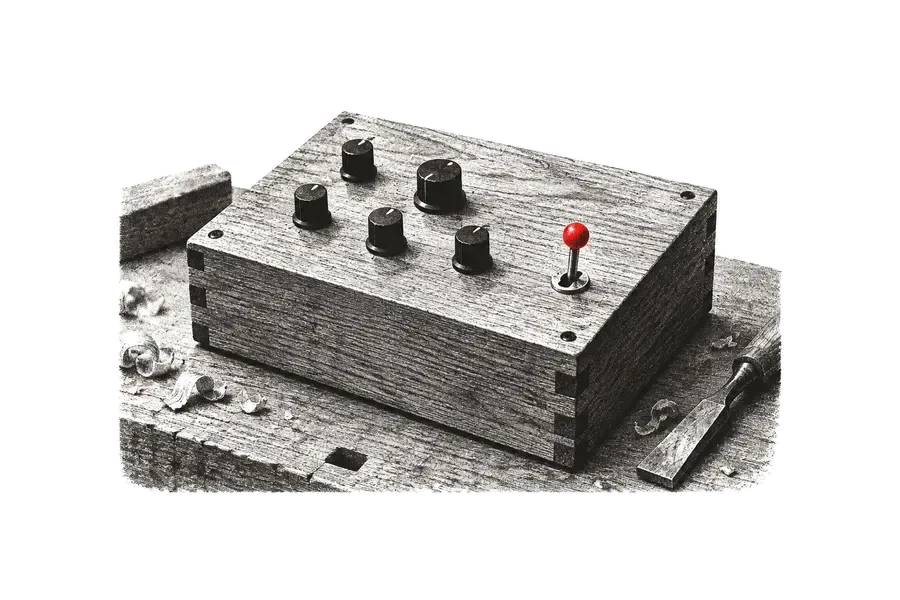
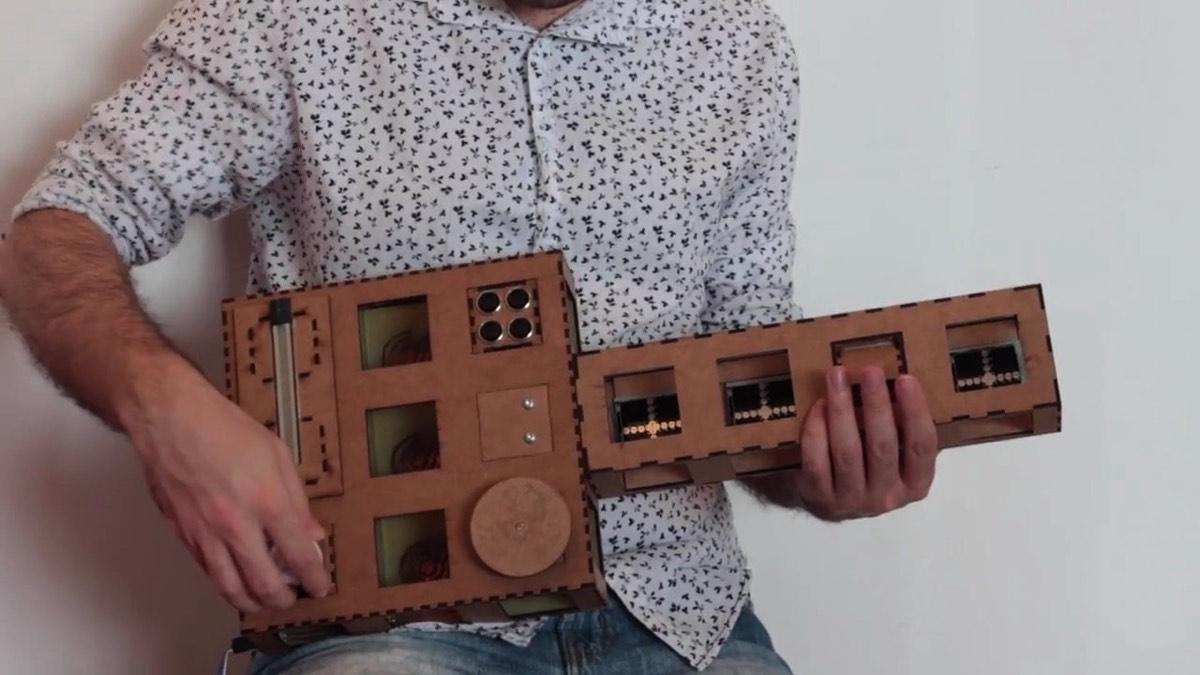
An instrument case built of wood, with buttons and a lever on the workbench; the tip of the lever is red.

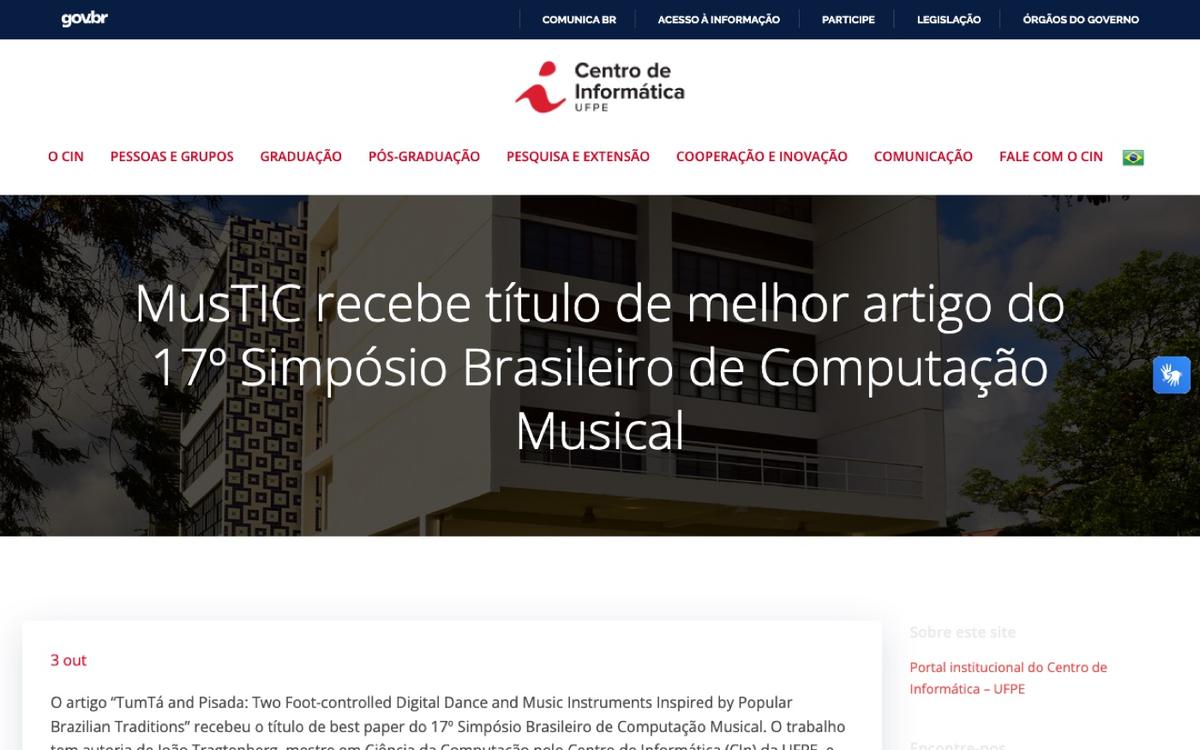
MusTIC receives best paper award at the 17th Brazilian Symposium on Computer Music

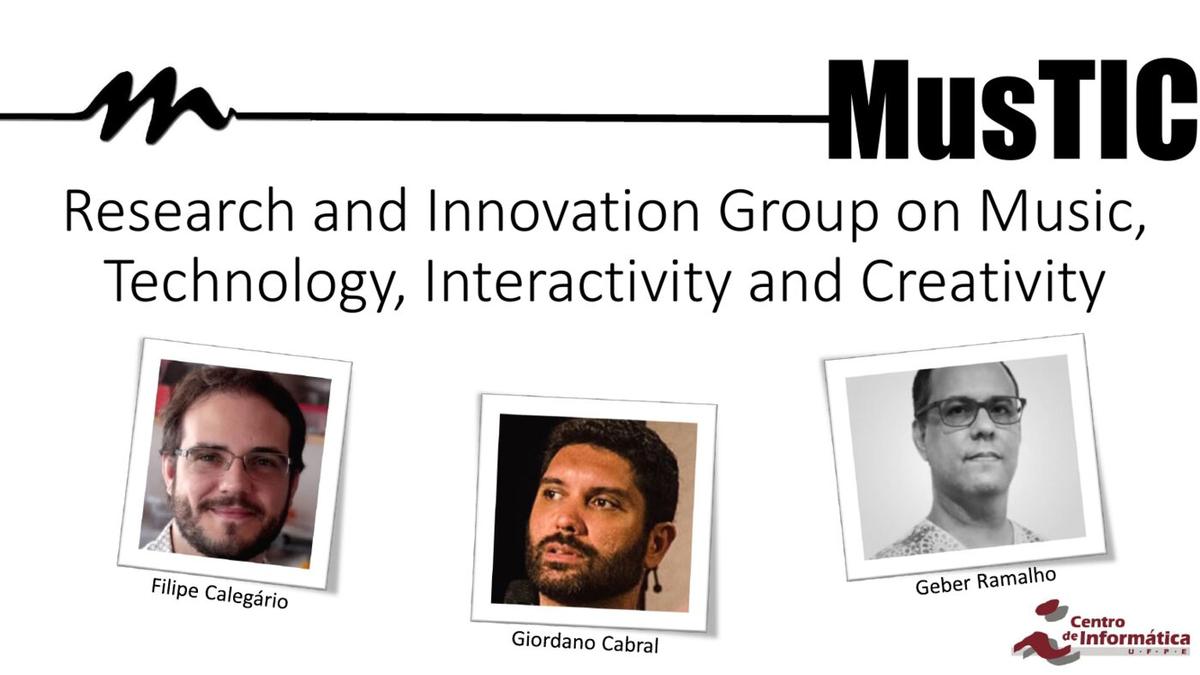
  • Research and innovation group in Music, Technology, Interactivity and Creativity, created in 2011 with Geber Ramalho, along five axes: digital musical instruments, sound and music analysis, automatic accompaniment, creativity support and educational systems.
  • In 2019 it brought together 21 projects and 42 researchers, had dozens of concerts, exhibitions and interactive installations to its name, collaborated with Sony CSL Paris (Flow Machines), McGill and Inria, and had a hub of companies that included Daccord, Batebit, MusiGames and Audio Alerta.
  • The tally since 2010: 4 doctorates, 16 master's degrees, more than 30 undergraduates, 4 startups and more than 50 products.
  • Why Is Brazilian Guitar Interesting?, an invited session at ISMIR 2013 (Curitiba), the world's leading music information retrieval conference, and at the 14th SBCM; in the same circuit, ISMIR 2016 (New York) and HCI International 2014 (Crete).
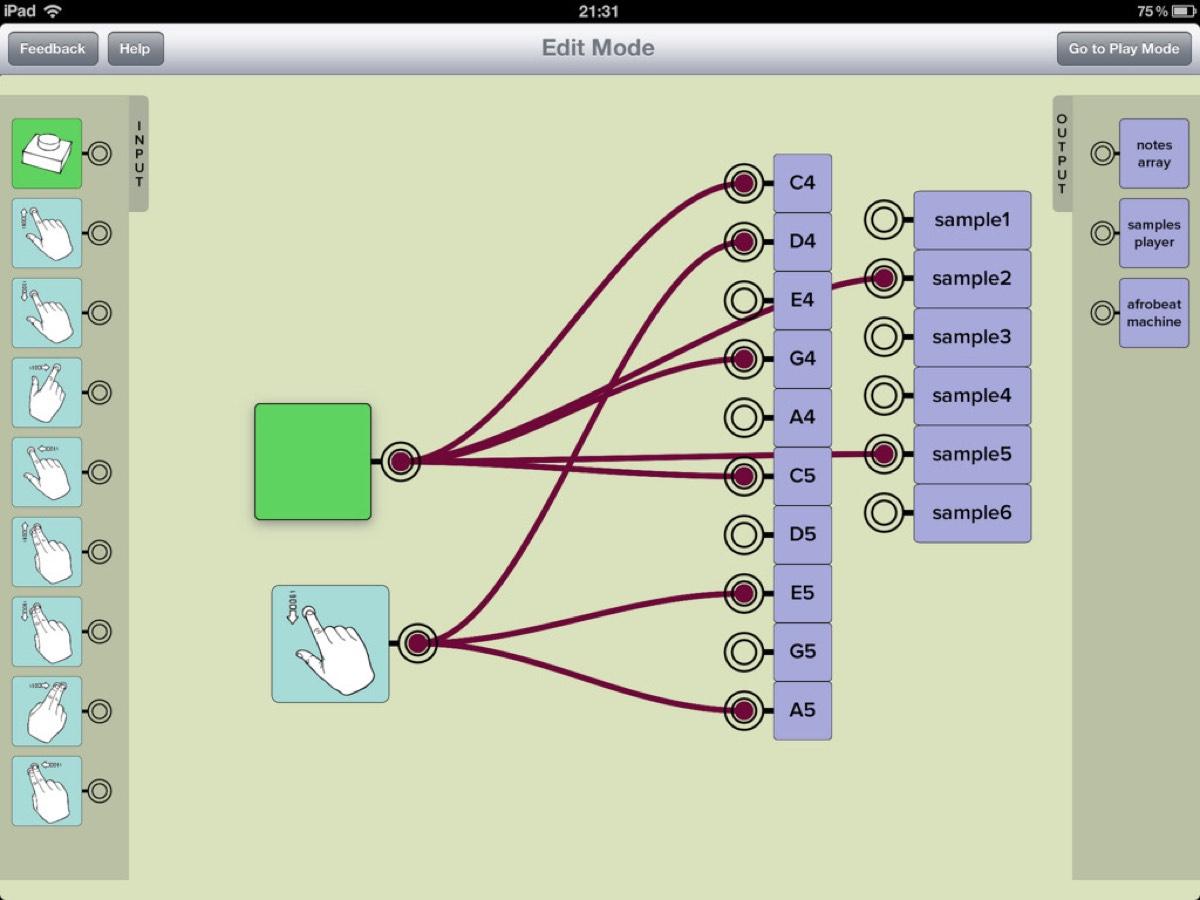
  • The group produced Sketchument and Illusio (2013); the method and toolkit for digital musical instruments with McGill and Inria (IEEE MultiMedia, 2017), the basis of Filipe Calegario's Probatio kit; and TumTá and Pisada, best paper at the 17th SBCM (2019).
  • In 2021, with Moises.ai, the Chord Detection Challenge brought together 17 teams from four federal universities.
From 8 to more than 50 products: MusTIC before and after 2010. Unit chart with the tally of MusTIC, the research and innovation group in Music, Technology, Interactivity and Creativity at CIn-UFPE, according to the group's presentation at the 17th Brazilian Symposium on Computer Music, in 2019. After 2010, up to the 2019 presentation: 4 doctorates, 16 master's degrees, more than 30 undergraduates, 4 startups and more than 50 products. In the previous decade, from 2000 to 2010, which the presentation calls the group's prehistory: 3 doctorates, 12 master's degrees, more than 20 undergraduates, 3 startups and 8 products. The largest difference is in products, from 8 to more than 50.

UFRPE

2010–2014

assistant professor; coordinator of the Information Systems undergraduate program

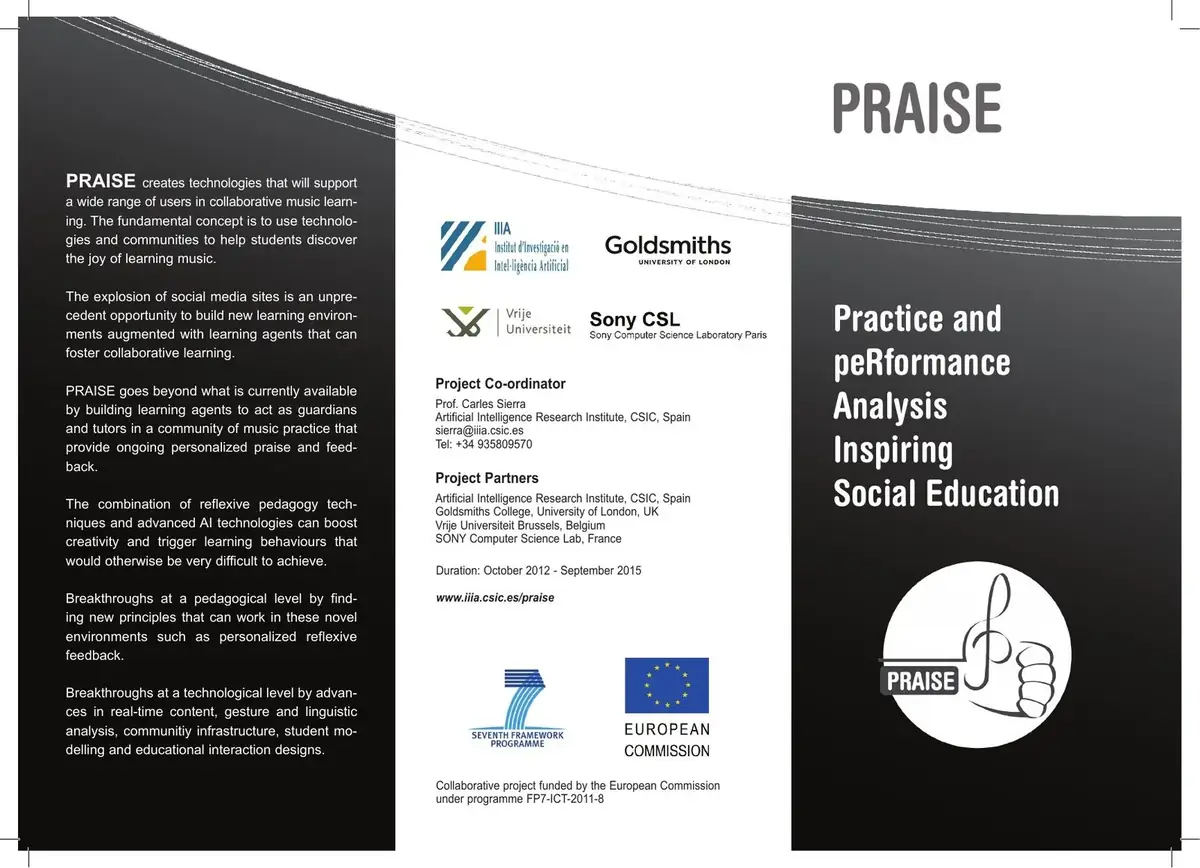
€ 2.3 Mfrom the European Union for the PRAISE project, on whose advisory board he served

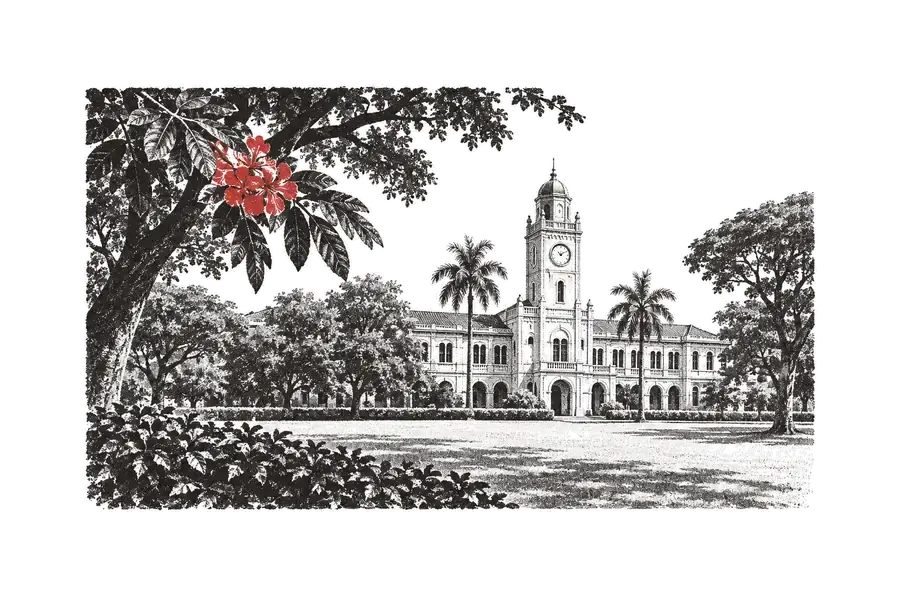
A university building with a clock tower, seen from the lawn under trees; a bunch of red flowers in the foreground.
  • CNPq productivity grant in technological development (2011–2014) and a project on automatic audio classification for public safety, with CNPq and FACEPE.
  • Advisory Board member of PRAISE, a European project under the 7th Framework Programme (€2.3 million from the European Union), coordinated by IIIA-CSIC, in Barcelona, with Sony CSL Paris, the Vrije Universiteit Brussel and Goldsmiths College, from 2012 to 2014, on intelligent tutors for communities of practice.
  • Assistant professor at DEINFO from 2010 to 2014; coordinator of the Information Systems undergraduate program and deputy head of the department.
  • In the Graduate Program in Applied Informatics, he taught Computação Inteligente (Intelligent Computing) and Sistemas Híbridos Inteligentes (Intelligent Hybrid Systems) (2011–2012) and was a member of the program board from 2011 to 2014.
  • Member of the university's Council for Teaching, Research and Extension (2012–2013) and advisor of four master's dissertations during the period.

Escribo

2010–2017

founding partner; chief technology and creative officer

25music education games at Turma do Som

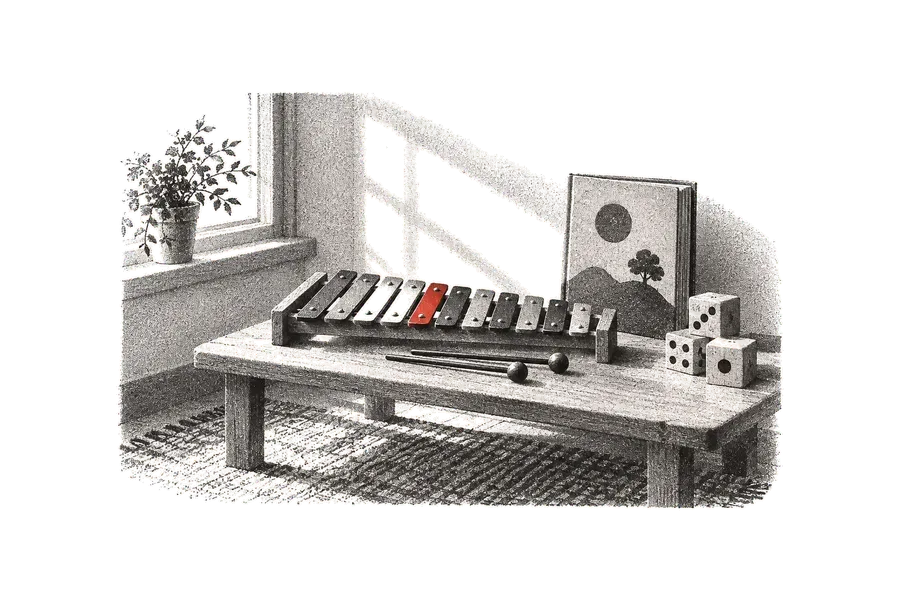
A small glockenspiel on a low table, beside a closed children's book and wooden blocks; one bar of the instrument is red.

Software boosts music teaching in schools

  • Edtech and digital publisher: games, animation and interactive systems for education.
  • The company, founded in 2001 as D'Accord Music Software, turned to educational technology and, from 2014, began operating as Escribo.
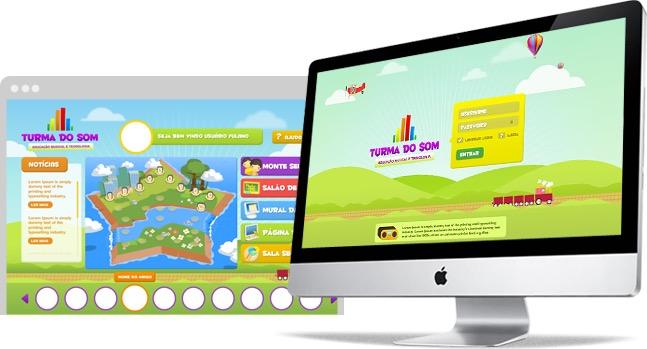
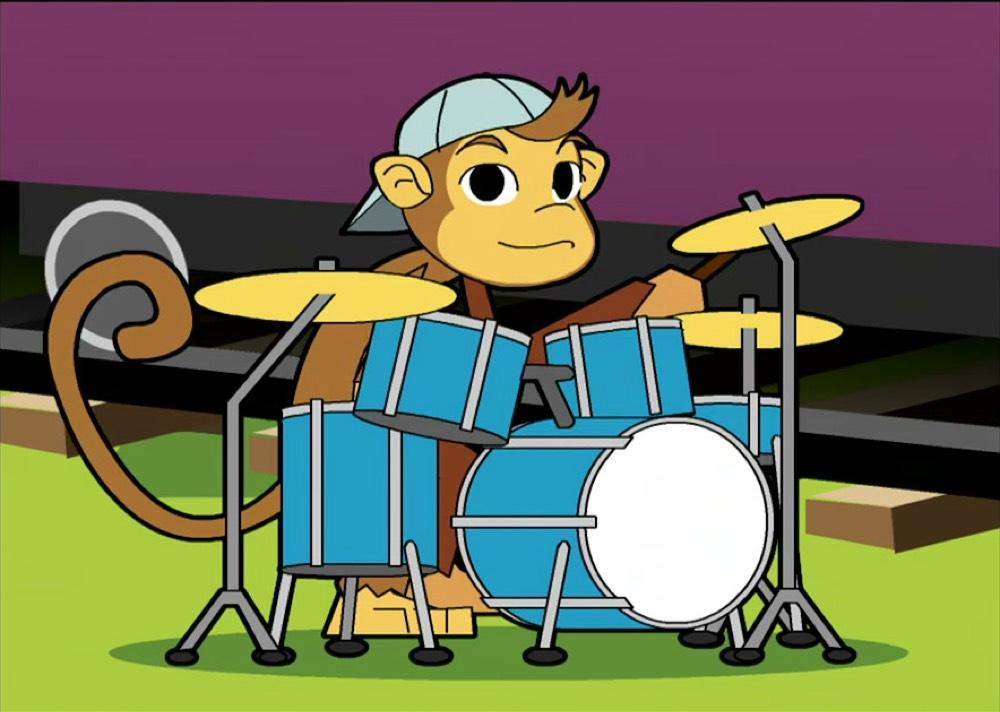
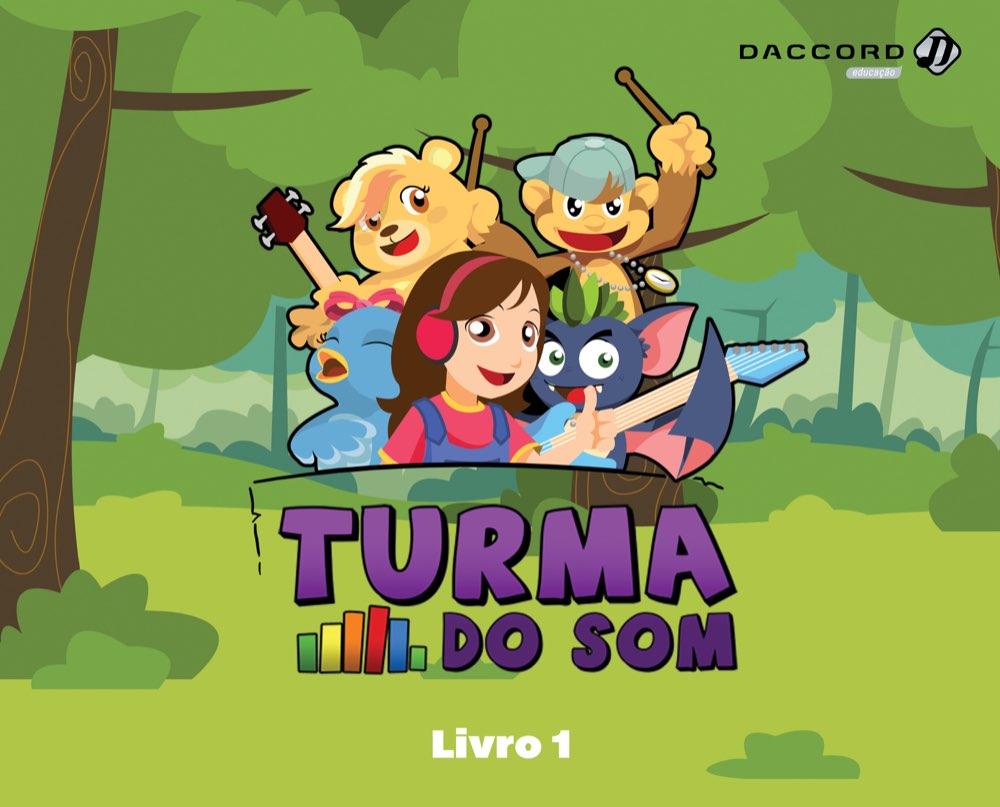
  • Turma do Som (2012): a music education platform for the early school years, with 25 games, an animated series and books edited with Cecília Cavalieri França, used in schools in Pernambuco, Minas Gerais and São Paulo.
  • With Turma do Som and Saiba+ Enem, the company won the Northeast stage of the 2012 Finep Innovation Award; Turma do Som was a finalist for the 2015 Jabuti Award, in the Digital Children's Book category.
  • In 2014, the coauthored textbook Nós da Educação — Música (Ática), and the Endeavor Promessas program.

MusiGames Studio

2007–2014

founder; development director

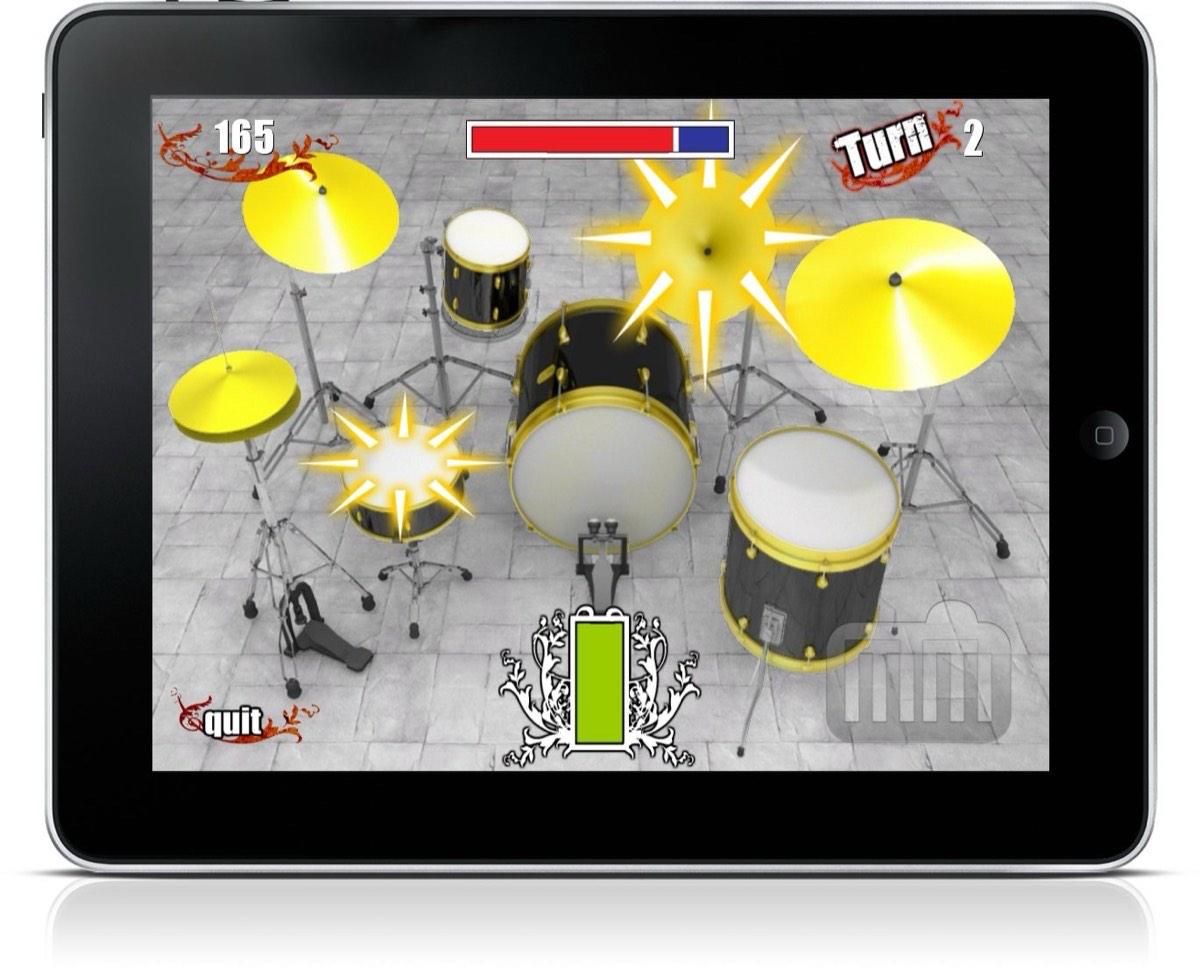
1stplace among music games on the iPad in the United States and the United Kingdom in 2010, with Drums Challenge HD

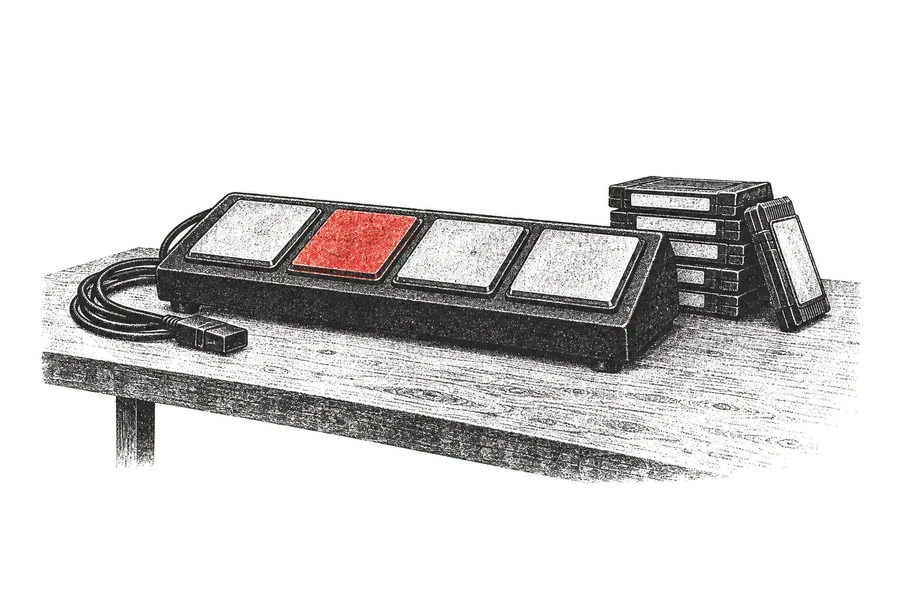
A game controller with four percussion pads on a table, cartridges stacked beside it; one pad is red.

Brazilian developer MusiGames Studio releases drum game for iPad

  • Games business unit at Porto Digital, created in 2007; 28 people in May 2010.
  • Drums Challenge entered the App Store in June 2009 and closed the month among the five best-selling music games in the United States; the iPad version was, in 2010, the best-selling music game on the device in the United States and the United Kingdom.
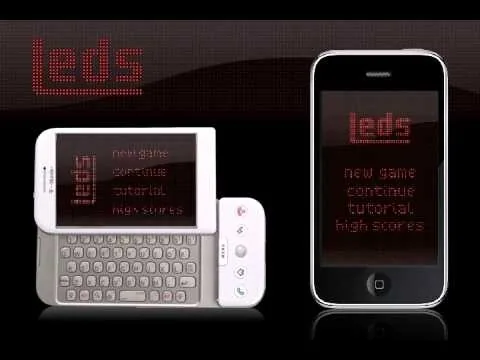
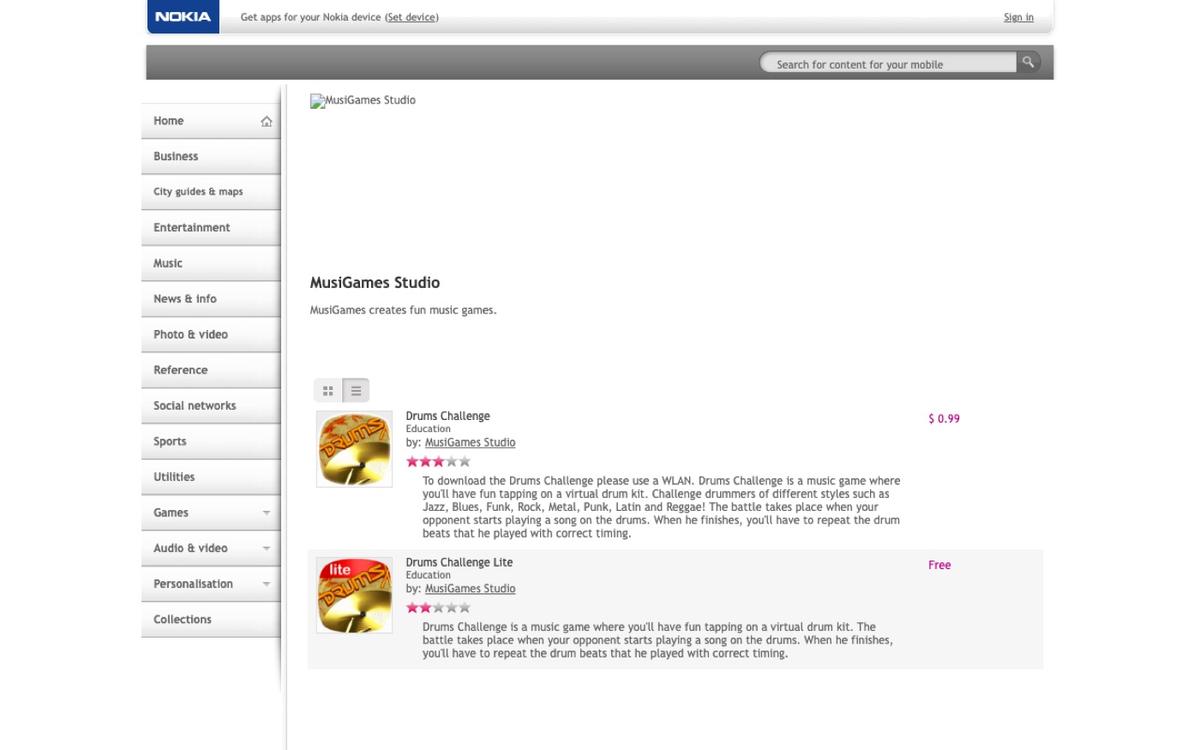
  • In July 2009 the studio released Leds simultaneously for the iPhone and the G1, the first Android phone; in 2011 Drums Challenge reached Nokia's Ovi Store, as well as the PlayStation 3 and the PSP.
  • Catalog on iPhone, iPad, Android, Nokia, and PlayStation Minis, and commissioned games for Coca-Cola, Mattel, and Rock in Rio.
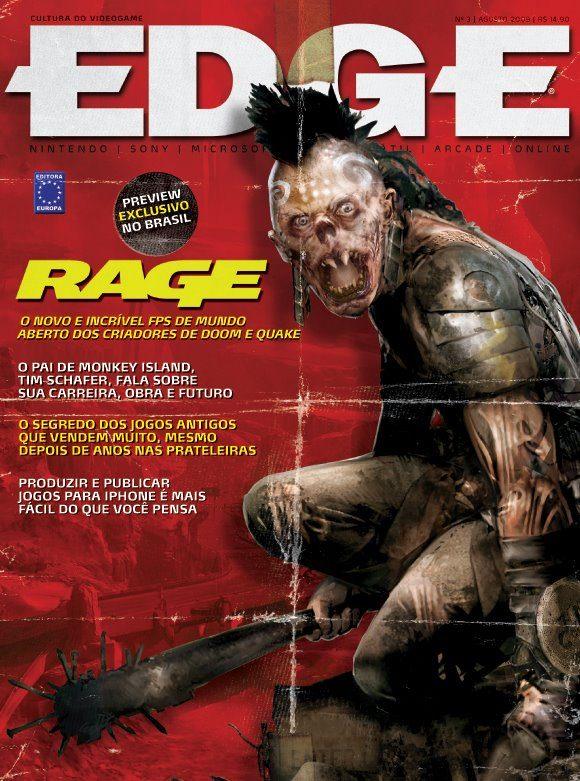
  • He presented the studio at Game Connection (Lyon and Paris, 2008–2010), at Macworld 2010 in San Francisco, and at Nokia World 2011; international press coverage from the period includes Edge magazine (2009), Pocket Gamer (2009), and VICE (2011).

IMPA

2006–2008

sandwich doctorate (research stay abroad)

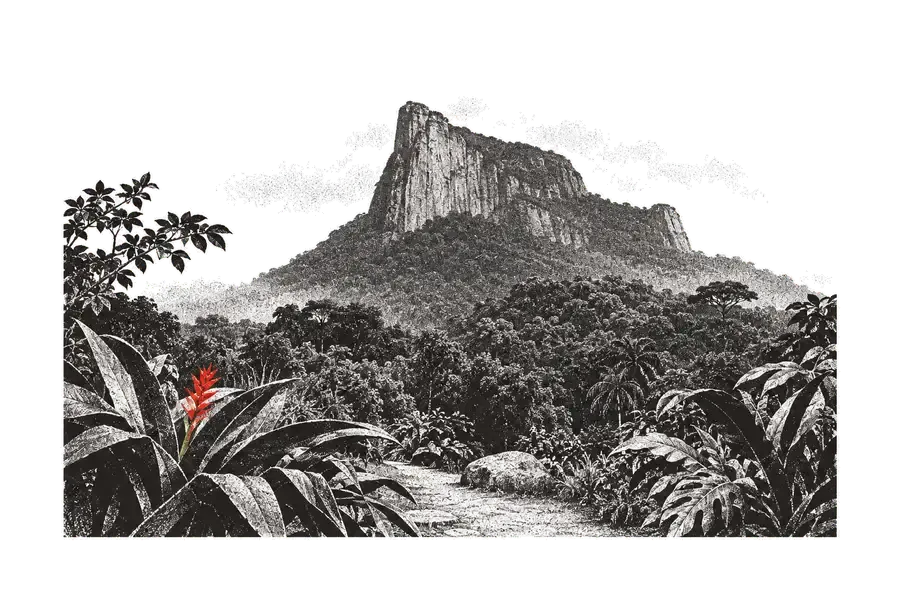
A granite crag rising over the Atlantic forest, in the spirit of Pedra da Gávea; a red heliconia flower in the foreground.
  • Split-site (sandwich) doctorate at the Instituto de Matemática Pura e Aplicada (Institute for Pure and Applied Mathematics), in Rio de Janeiro, from 2006 to 2008.
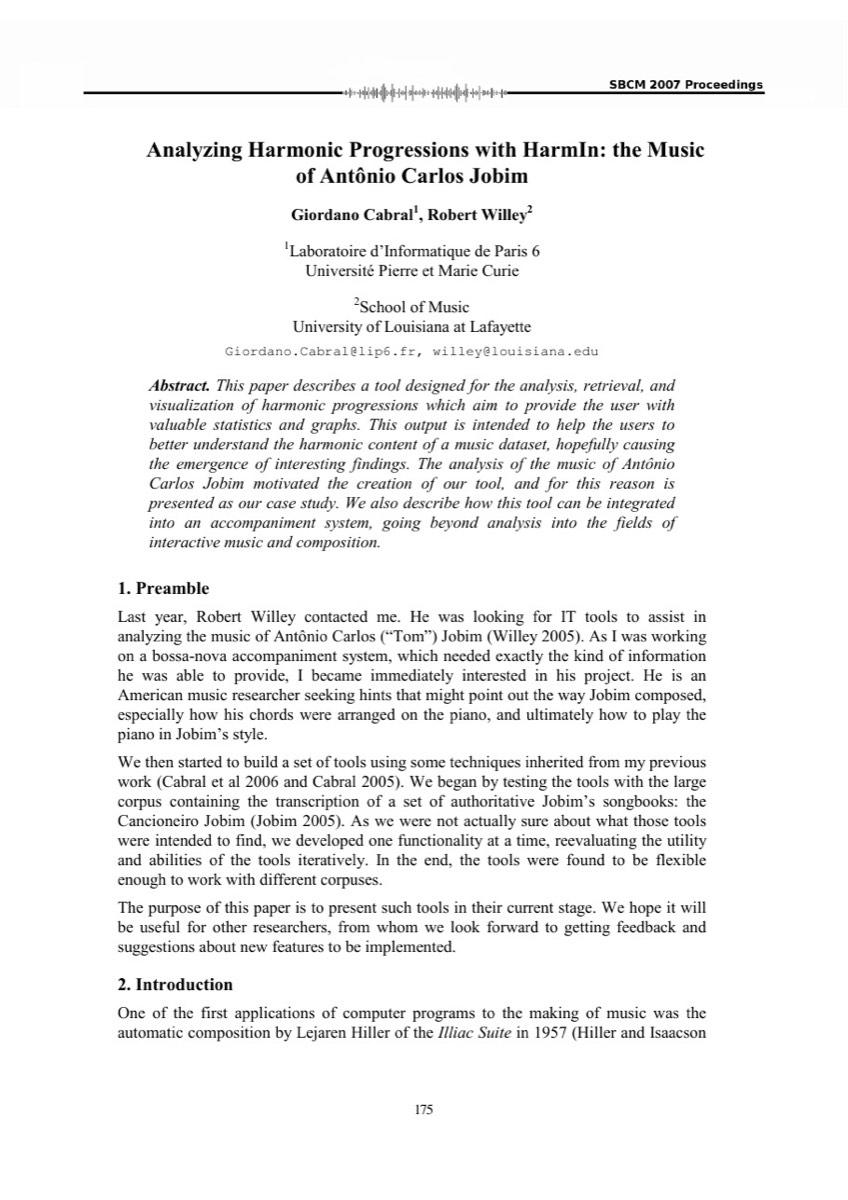
  • Analytical Features to Extract Harmonic or Rhythmic Information (11th SBCM, 2007), with Luiz Velho, of IMPA, and with François Pachet and Jean-Pierre Briot.
  • Member of the doctoral committees in Mathematics of Sergio Krakowski (2009) and Marcelo Cicconet (2010), and speaker at the computer music workshop of the Year of France in Brazil, at IMPA, on October 30, 2009.

Sony Computer Science Laboratory Paris

2003–2017

research with François Pachet

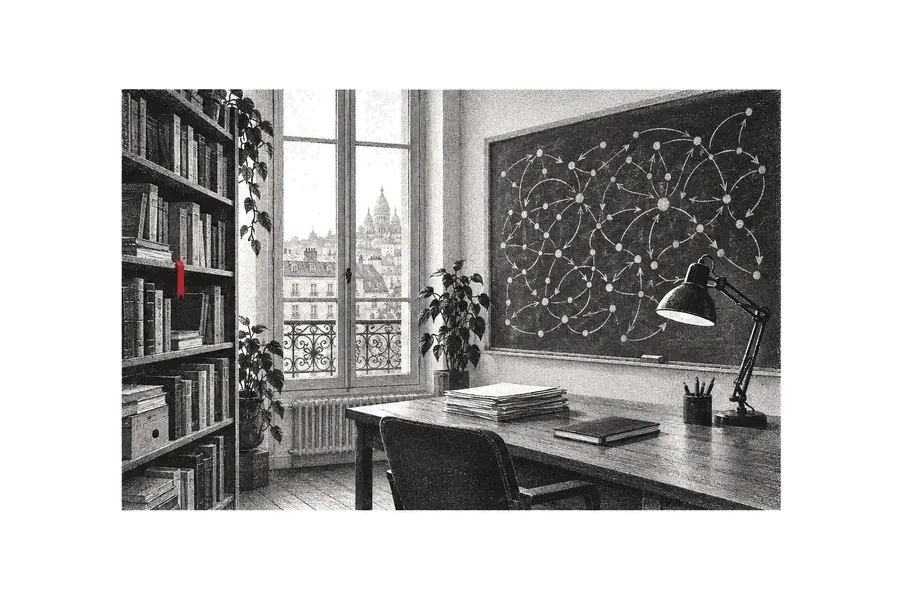
A blackboard with a diagram of agents as nodes and arrows, a study desk and a bookshelf, a Parisian window in the background; a marker ribbon between the books, red.

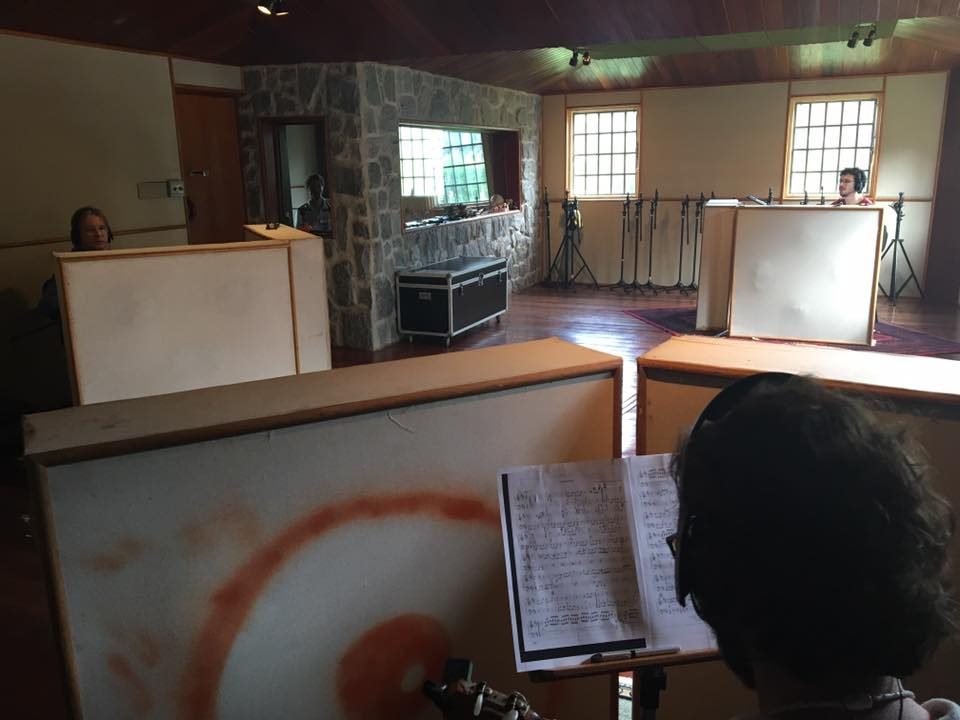
the Brazilian bridge of the European Flow Machines project

  • Research with François Pachet, doctoral co-advisor, on real-time musical accompaniment and on the automatic discovery of audio descriptors with EDS (ISMIR 2005).
  • The collaboration continued after the doctorate: Capturing a Musician's Groove, an application demo at IJCAI 2015, in Buenos Aires, and the Special Visiting Researcher project that brought Pachet to CIn (CAPES, 2012–2018).
  • In 2017, Brazyle, the Brazilian arm of Flow Machines, a project of the artificial intelligence laboratory for music creation, resulting from three years of cooperation with the team at Sony, Flow Records, and later Spotify.
  • Flow Machines produced the album Hello World, one of the first albums created with artificial intelligence in the world (2018).

Sorbonne Université

2003–2008

doctorate in generative artificial intelligence, with Jean-Pierre Briot and François Pachet

3articles from the thesis: FLAIRS 2006, IEEE ISM 2008, and IEEE ISM 2009

The Sorbonne dome above the zinc rooftops of Paris; an attic window with red shutters.
  • Doctorate at LIP6 of Université Pierre et Marie Curie (Paris 6), now Sorbonne Université, in Jean-Pierre Briot's multi-agent systems team, with a CAPES scholarship.
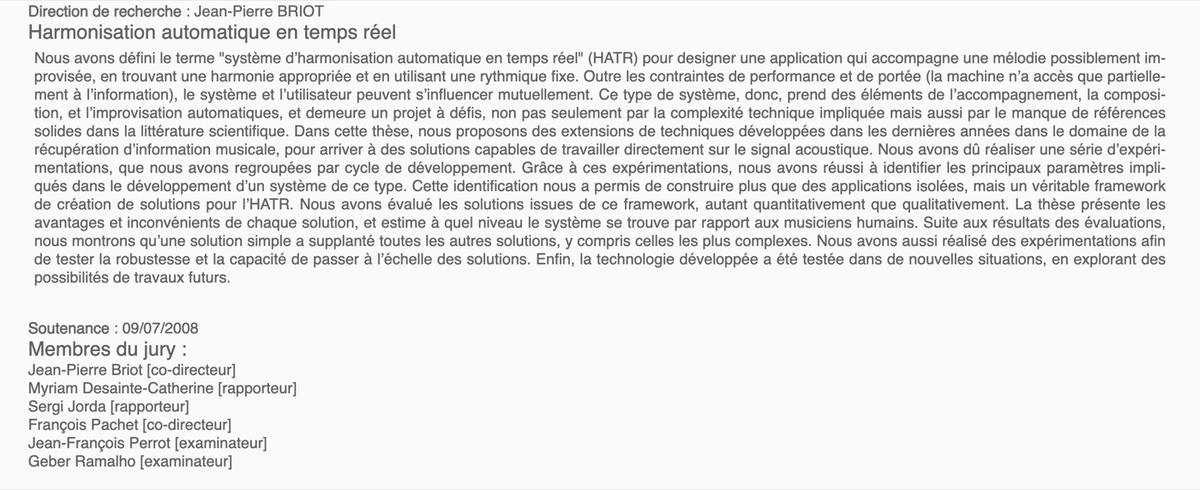
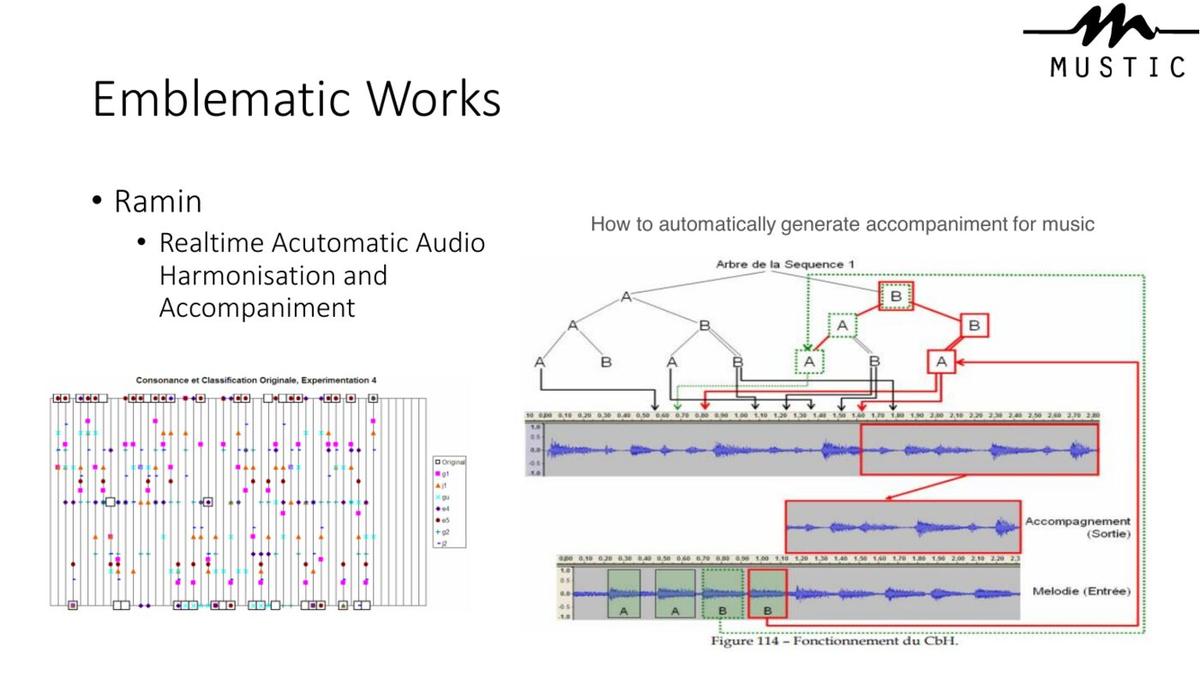
  • Thesis Harmonisation automatique en temps réel, defended on 07/09/2008 with the mention très honorable: a system that automatically generates, in audio and in real time, the harmonization of an improvised melody.
  • From the thesis came publications at FLAIRS 2006, IEEE ISM 2008, at Berkeley (Ramin), and IEEE ISM 2009.
  • In 2005, chargé de travaux dirigés for Introduction to Artificial Intelligence at the Sorbonne / Université Pierre et Marie Curie (Paris 6).

D'Accord Music Software

2000–

founder

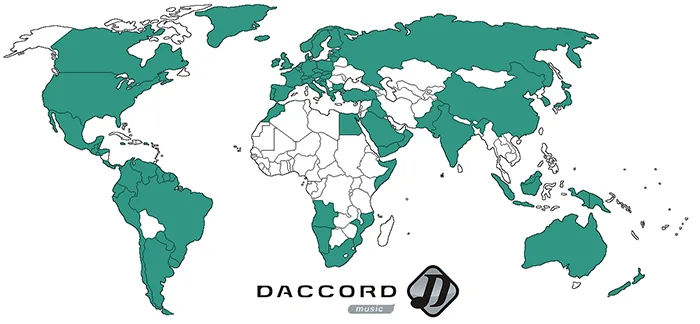
116countries with users of the products

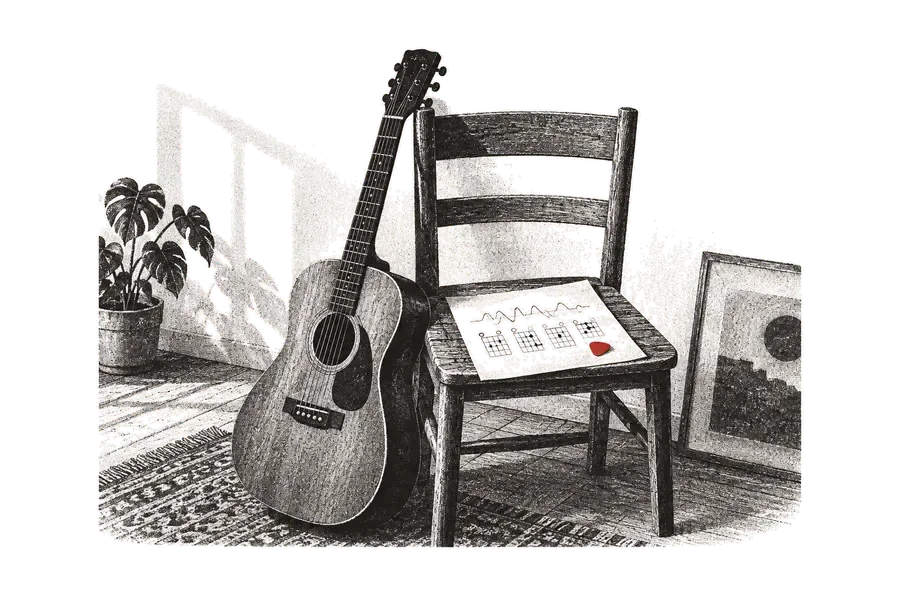
A guitar leaning against a chair, a sheet with chord diagrams on the seat; a red pick on the sheet.

Daccord develops software for the music industry

  • Founded in 2000 at CIn out of a master's dissertation, pre-incubated at Recife BEAT and, in 2004, among the debut companies of Porto Digital.
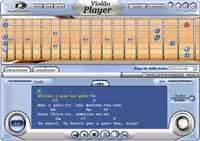
  • Virtual instrument teachers, chord dictionaries, tuners, and iChords, which recognizes chords in audio files; products used in 116 countries, according to the company.
  • Winner of Softex's National Young Entrepreneur Contest (2005), the Santander Entrepreneurship Award with iChords (2006), and the Northeast stage of the Finep Innovation Award in 2009 and 2012.
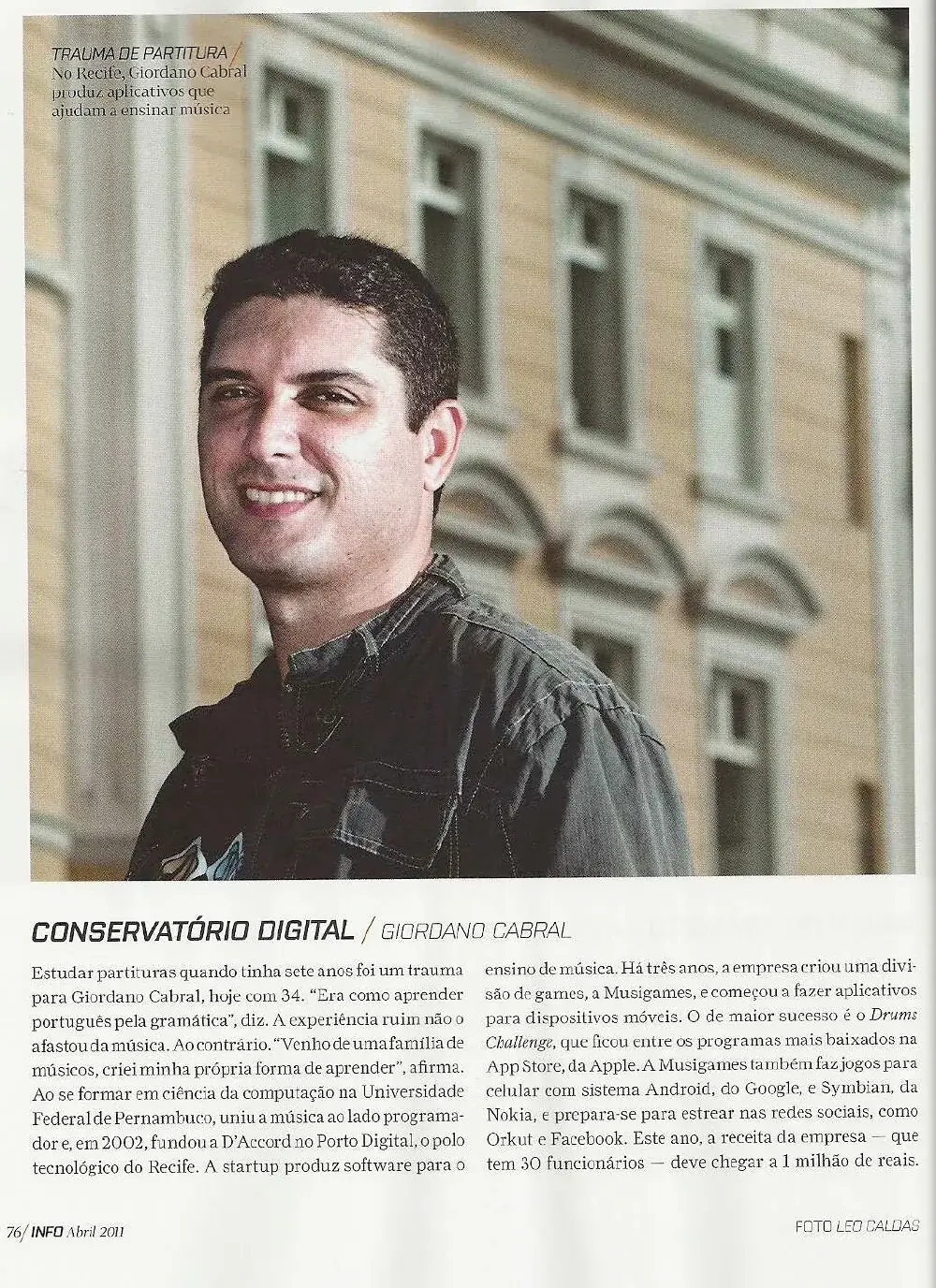
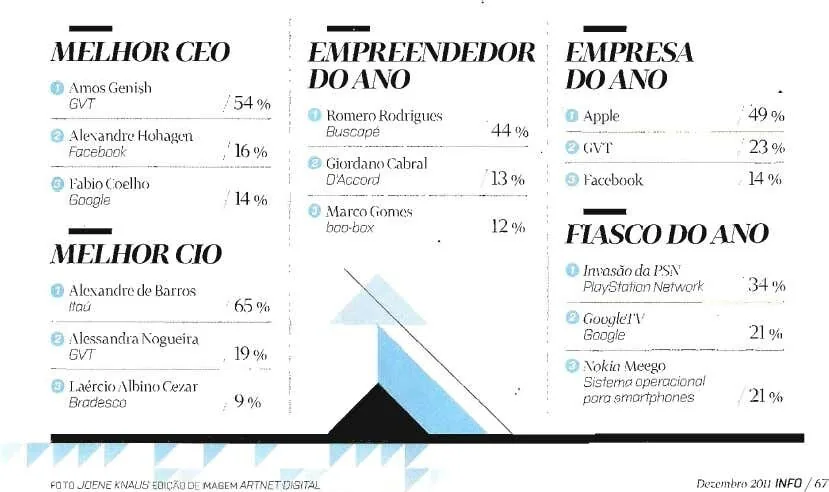
  • In 2011, Cabral placed 2nd, among six national nominees, in the Entrepreneur of the Year award of INFO Exame magazine; the company exhibited at the BETT Show, in London, in 2011 and 2012, and since 2006 had been selling its educational line in Australia and New Zealand through Manaccom.
  • It gave rise to MusiGames Studio (2007), the education arm that began operating as Escribo in 2014, and Audio Alerta.

Associations

1997–

boards and presidencies of student, researcher and alumni associations

The campus's elevated walkway, a concrete structure among trees; a red plant pot at the foot of a pillar.
  • CITi, the CIn junior enterprise founded by students on 03/17/1997: director of courses in 1997, executive president in 1998 and board member from 1999 to 2000.
  • Federação de Empresas Juniores do Estado de Pernambuco (FEJEPE), founded in 1998: founder and first president.
  • APEB-Fr, association of Brazilian researchers and students in France: technical director (2004–2005).
  • Special Committee on Computer Music of the Brazilian Computer Society (CECM/SBC): member of the steering committee from 2011 to 2014 and president for the 2022–2023 term.
  • Alumni CIn, association of alumni of the Centro de Informática at UFPE: executive president, elected on 10/14/2022 for the 2022–2025 term.

UFPE

1994–2002

undergraduate and master's degrees in Computer Science

2 millionD'Accord Guitar users by 2003

The campus's elevated walkway, a concrete structure among trees; a red plant pot at the foot of a pillar.
  • Bachelor's degree in Computer Science (1999) and master's degree (2002) at UFPE, with CNPq scholarships.
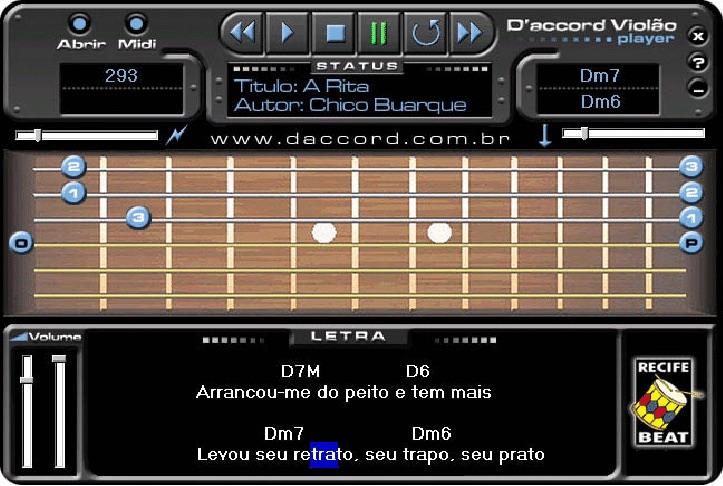
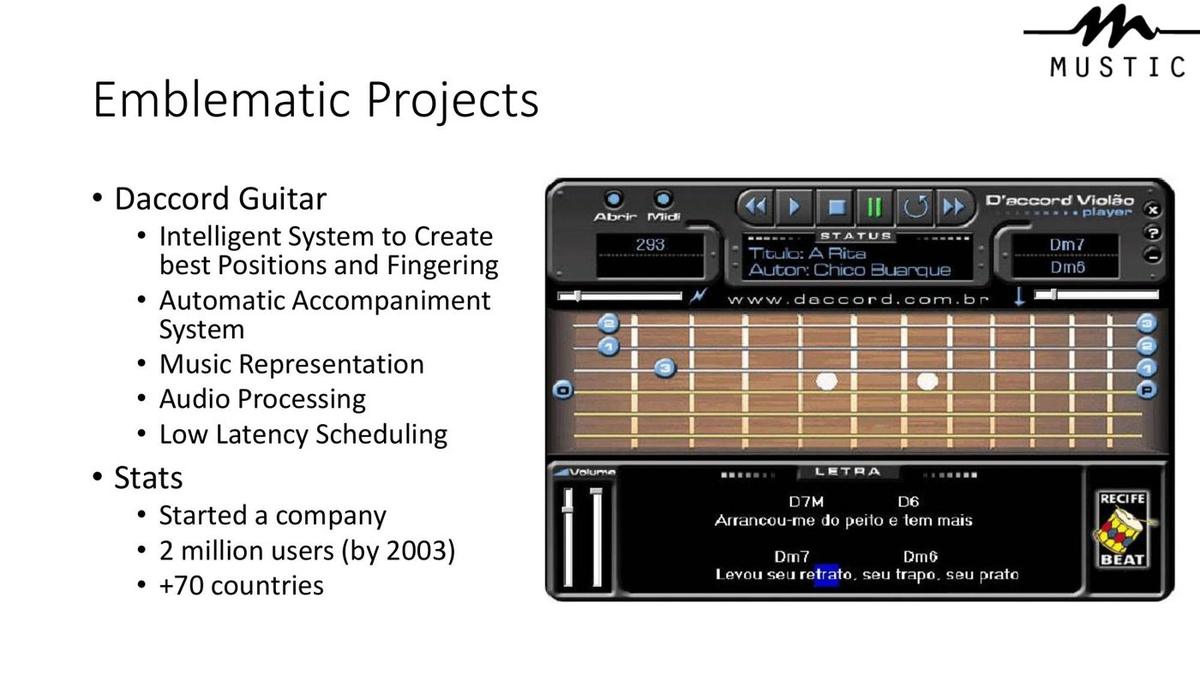
  • In the project on intelligent agents for complex environments, the dissertation D'Accord Guitar: a system that takes a song's chord chart and generates the guitar performance, the basis of D'Accord's first product.
  • First international publication: D'Accord Guitar at the Journées d'Informatique Musicale in 2001, in Bourges.